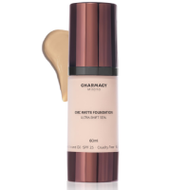
 Matte Foundation 60ML
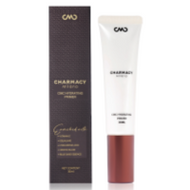 Hydrating Primer
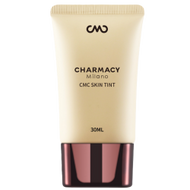 Skin Tint
 Glow Drip
 Blush Drip
 Setting and Fixing Spray
 Primer
 Matte Foundation
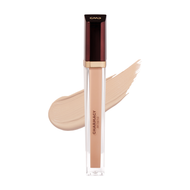 Concealer
 HD Cover Compact Powder
 Setting Powder
 Star Dust
 Baked Illuminator
 Cheek Enhancer
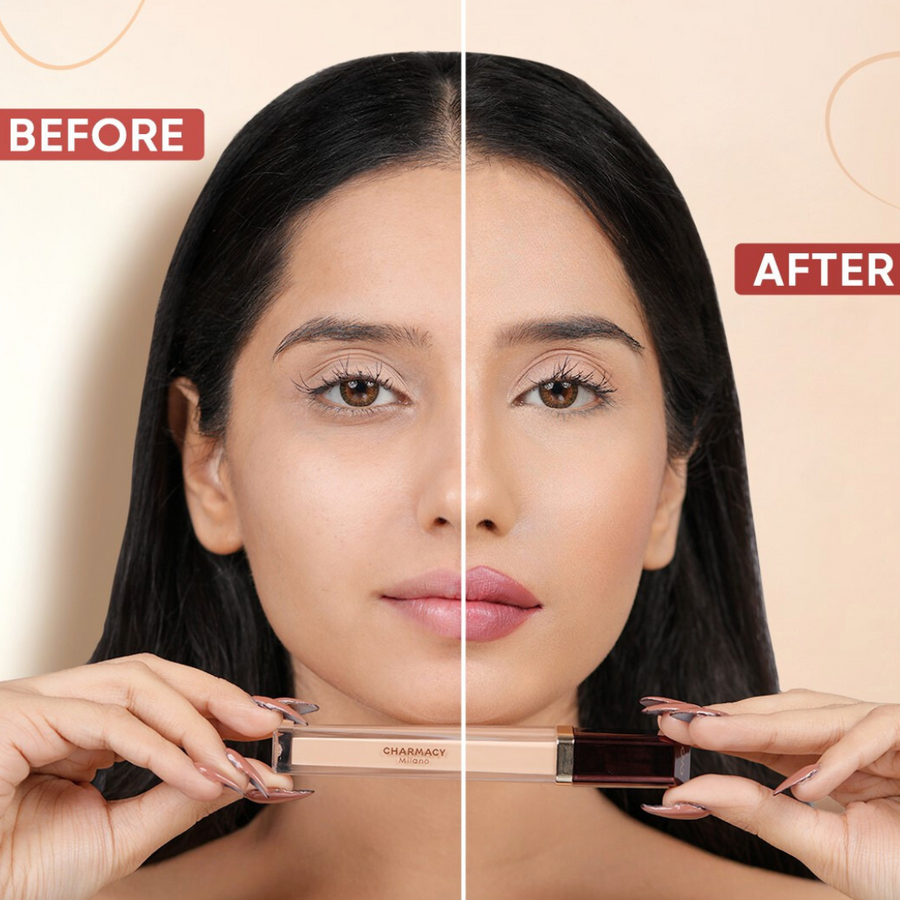
 Kiss Drip Lip Gloss
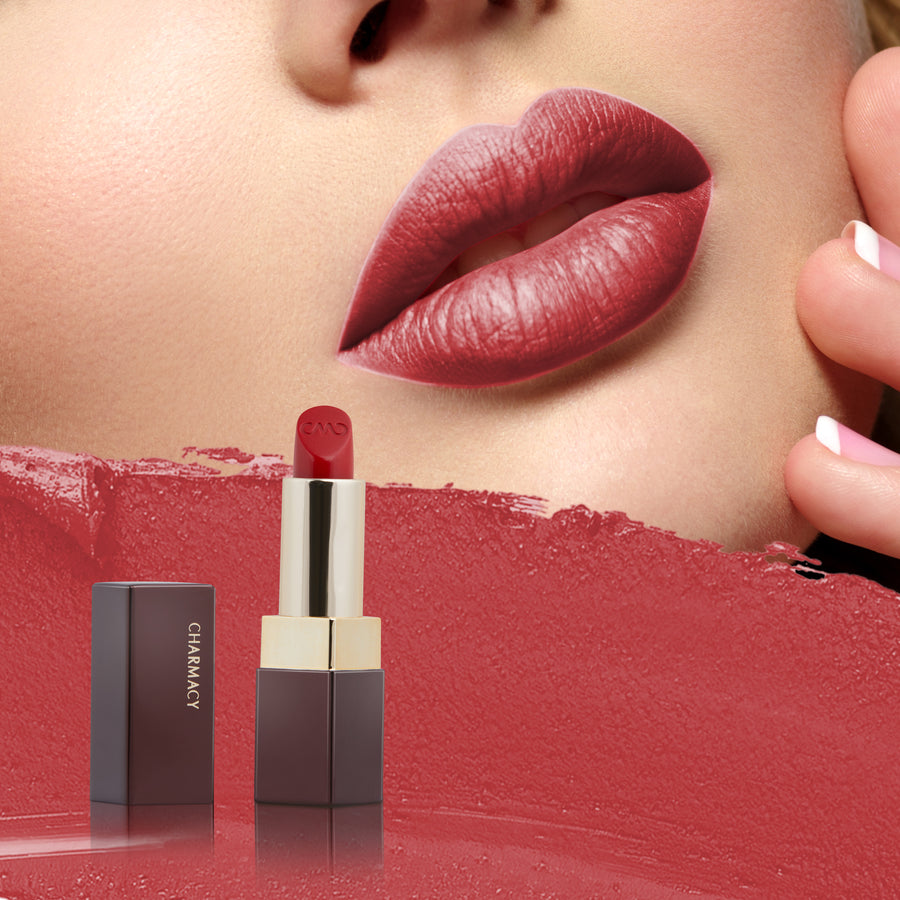
 Soft Satin Matte Lipstick
 Stunning Longstay Liquid Lip
 Flattering Nude Lipstick
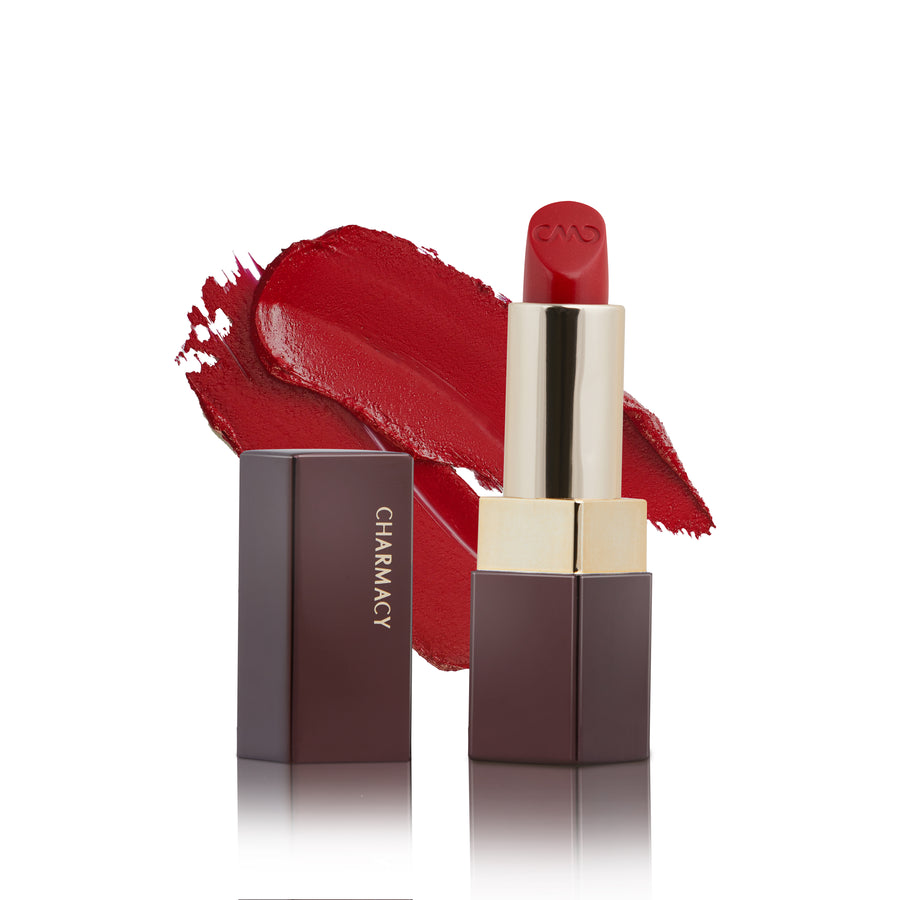
 Luxe Creme Lipstick
 Lip Contour Lip Liner
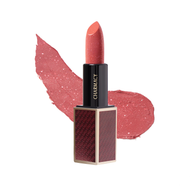 Diamond Rush
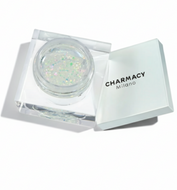 Magicolor Lip and Cheek Balm
 Magicolor Star Glow Lipstick
 Eye Liner
 Eyebrow
 Eye Shadow
 Mascara
 Insane Quad Palette


Concealer vs Foundation: Understanding the Difference

Introduction
Confused about concealer and foundation? You're not alone. While both products help create flawless-looking skin, they serve completely different purposes in makeup. Using the wrong product or applying them in the wrong order can leave your makeup looking patchy, cakey, or uneven.
In this guide, we'll explain concealer vs foundation, their key differences, when to use each, and how to choose the right products for your skin type and makeup routine.
What is Foundation?
Foundation is a base makeup product designed to create an even skin tone across the entire face. It helps blur redness, uneven texture, mild pigmentation, and dullness while giving the skin a smoother appearance.
Foundations come in different formulas including:
- Liquid foundation
- Matte foundation
- Dewy foundation
- Stick foundation
- Powder foundation
Depending on the formula, a foundation makeup product can provide light, medium, or full coverage.
Benefits of Foundation
- Evens out skin tone
- Creates a smooth makeup base
- Covers redness and minor imperfections
- Enhances makeup longevity
- Gives skin a polished appearance
What is Concealer?
Concealer is a highly pigmented makeup product used to hide specific imperfections such as:
- Dark circles
- Acne marks
- Blemishes
- Hyperpigmentation
- Spots and discoloration
Compared to foundation, concealers have thicker consistency and higher coverage.
Most people use under-eye concealer to brighten tired-looking eyes and create a more refreshing appearance.
Benefits of Concealer
- Provides targeted coverage
- Hides dark circles and blemishes
- Brightens under-eye area
- Creates a flawless finish
- Enhances makeup definition
Concealer vs Foundation: Key Differences
| Feature | Concealer | Foundation |
|---|---|---|
| Purpose | Covers specific imperfections | Creates even skin tone |
| Coverage | Medium to full | Light to full |
| Texture | Thick and pigmented | Lightweight to creamy |
| Application Area | Specific spots | Entire face |
| Finish | Spot correction | Smooth base makeup |
| Best For | Dark circles, acne, pigmentation | Overall complexion correction |
Should You Apply Concealer Before or After Foundation?
One of the most common makeup questions is whether to apply concealer before foundation or after. In most cases, makeup artists recommend applying foundation first.
Why Foundation Comes First
Foundation already covers a large amount of redness and unevenness. Applying it first helps reduce the amount of concealer needed afterward.
Correct Makeup Order:
- Skincare
- Primer
- Foundation
- Concealer
- Loose powder or compact powder
This layering technique creates smoother, more natural-looking makeup.
Can You Use Concealer Without Foundation?
Yes, absolutely. Many people prefer using only concealer makeup for everyday minimal makeup looks.
This works especially well if:
- You have generally clear skin
- You prefer lightweight makeup
- You only want to hide dark circles or acne marks
- You like the "no-makeup makeup" trend
Simply apply concealer on areas that need coverage and blend well for a natural finish.
When Should You Use Foundation?
Use foundation makeup when:
- You want an even skin tone
- You need full-face makeup
- You're attending events or parties
- You want a polished makeup look
- You need long-lasting base makeup
Foundation works best for creating a uniform canvas before applying the rest of your makeup.
When Should You Use Concealer?
Use concealer when:
- You want to hide dark circles
- You need spot correction
- You want to cover acne scars
- You need extra coverage in certain areas
- You want to brighten under the eyes
Concealer is perfect for targeted correction without adding heavy makeup across the entire face.
How to Choose the Right Foundation
Choosing the correct foundation for your skin type is important for achieving smooth makeup.
For Oily Skin
Choose:
- Matte foundation
- Oil-free foundation
- Long-lasting formulas
For Dry Skin
Choose:
- Hydrating foundation
- Dewy finish foundation
- Lightweight liquid formulas
For Combination Skin
Use:
- Natural finish foundation
- Buildable coverage formulas
Pro Tip:
Always test foundation shades on your jawline instead of your hand.
How to Choose the Right Concealer
A good concealer makeup product should match your skin concerns.
For Dark Circles
Use:
- Peach or orange undertones
- Brightening concealer
- One shade lighter than foundation
For Acne & Spots
Use:
- Full coverage concealer
- Skin-tone matching concealer
For Dry Under-Eyes
Choose:
- Hydrating concealers
- Creamy formulas
Common Makeup Mistakes to Avoid
1. Using Too Much Concealer
Applying excess concealer can make under-eyes look cakey and creased.
2. Choosing the Wrong Foundation Shade
A mismatched foundation shade can make makeup look unnatural.
3. Applying Foundation Like a Thick Mask
Heavy layers of foundation can emphasize texture and fine lines.
4. Skipping Skin Prep
Well-moisturized skin helps makeup blend more smoothly.
5. Not Blending Properly
Poor blending creates harsh lines and uneven makeup.
Pro Tip: Use a damp beauty sponge for seamless blending.
Makeup Tips for a Flawless Finish
Prep Your Skin Properly
Cleanse, moisturize, and use primer before applying makeup.
Use Thin Layers
Build coverage gradually instead of applying too much product at once.
Set Your Makeup
Use loose setting powder or compact powder to lock makeup in place.
Blend Foundation Outward
Start from the center of the face and blend outward for natural-looking coverage.
Brighten the Under-Eyes Carefully
Use only a small amount of concealer under the eyes to avoid creasing.
Which One Should You Use?
The answer depends on your makeup goals.
Choose foundation if:
- You want even overall coverage
- You enjoy full-face makeup
- You want a polished complexion
Choose concealer if:
- You only need spot correction
- You prefer lightweight makeup
- You want to hide dark circles or blemishes
Many makeup routines actually work best when both products are used together.
Recommended Makeup Routine
For a natural flawless look:
- Apply moisturizer
- Use primer
- Apply lightweight foundation
- Spot-correct with concealer
- Set with loose powder
- Finish with blush and highlighter
This combination creates smooth, long-lasting makeup without looking heavy.
Final Thoughts
Understanding the difference between concealer and foundation can completely improve the way your makeup looks and feels.
If you want overall coverage and an even complexion, foundation is essential. If you need targeted correction for dark circles, acne, or pigmentation, concealer is your go-to product.
The best results often come from using both products together in the right way. With the correct application techniques and formulas suited to your skin type, you can achieve smooth, natural-looking, and long-lasting makeup effortlessly.
FAQs
Is concealer the same as foundation?
No. Foundation creates an even skin tone across the face, while concealer provides targeted coverage for dark circles, blemishes, and pigmentation.
Should concealer be lighter than foundation?
Yes, an under-eye concealer is usually one shade lighter than a foundation to brighten the area naturally.
Can I use concealers without foundation?
Yes, many people use concealers without a foundation for lightweight everyday makeup.
Which comes first: concealer or foundation?
Foundation is usually applied first, followed by concealer.
Do I need both foundation and concealer?
Not always. It depends on your coverage preference and makeup style.
Can foundation cover dark circles?
Foundation provides general coverage, but under-eye concealer works better for dark circles and pigmentation.