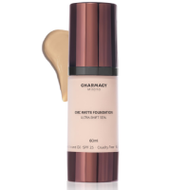
 Matte Foundation 60ML
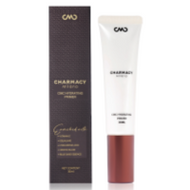 Hydrating Primer
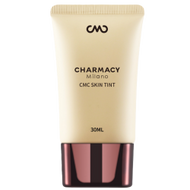 Skin Tint
 Glow Drip
 Blush Drip
 Setting and Fixing Spray
 Primer
 Matte Foundation
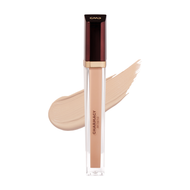 Concealer
 HD Cover Compact Powder
 Setting Powder
 Star Dust
 Baked Illuminator
 Cheek Enhancer
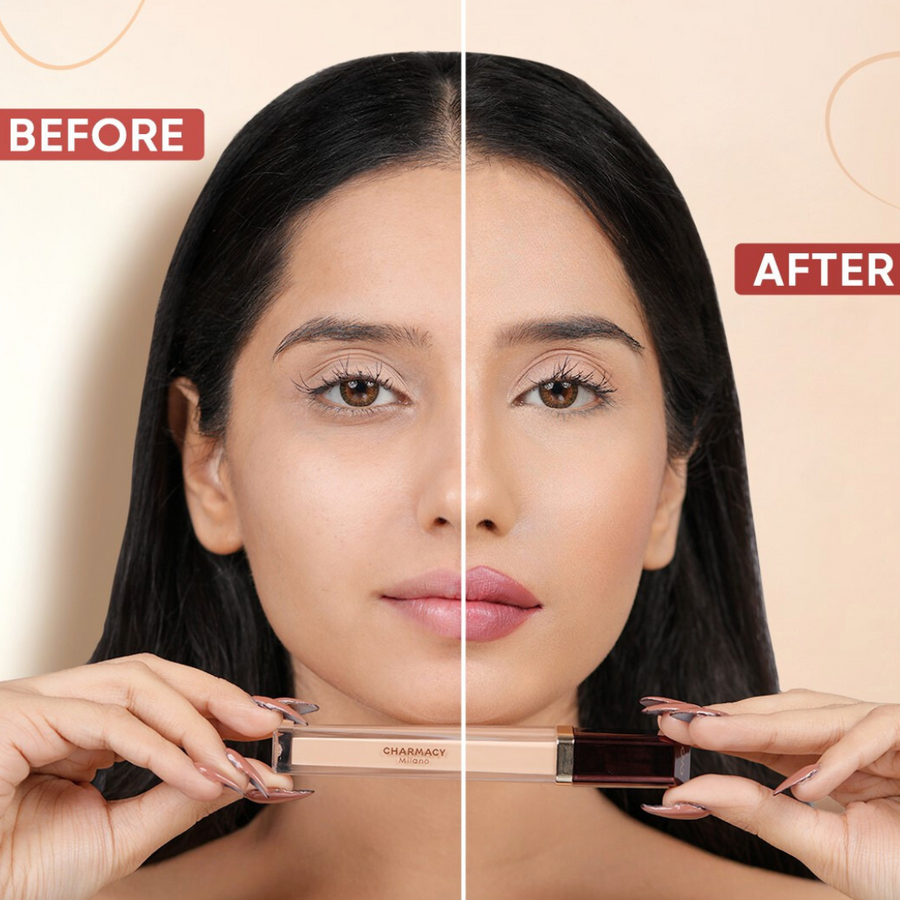
 Kiss Drip Lip Gloss
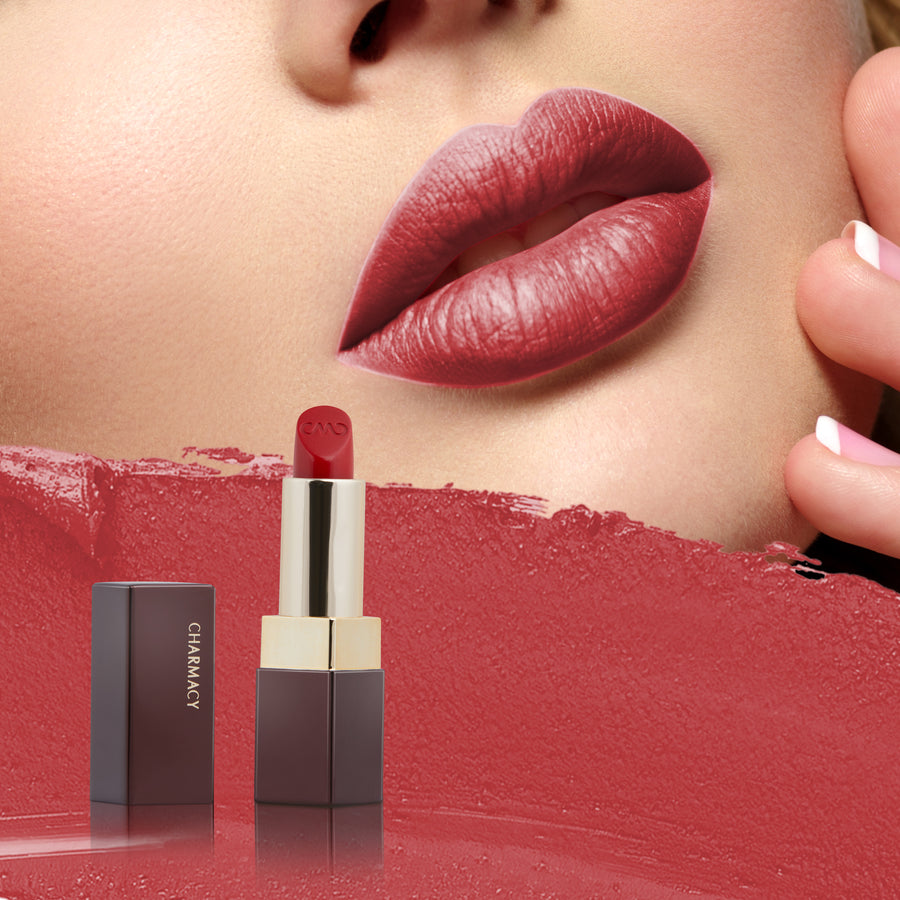
 Soft Satin Matte Lipstick
 Stunning Longstay Liquid Lip
 Flattering Nude Lipstick
 Luxe Creme Lipstick
 Lip Contour Lip Liner
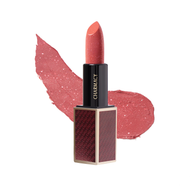 Diamond Rush
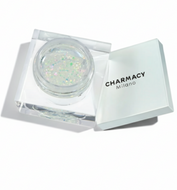 Magicolor Lip and Cheek Balm
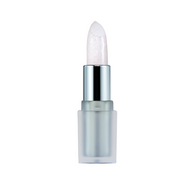 Magicolor Star Glow Lipstick
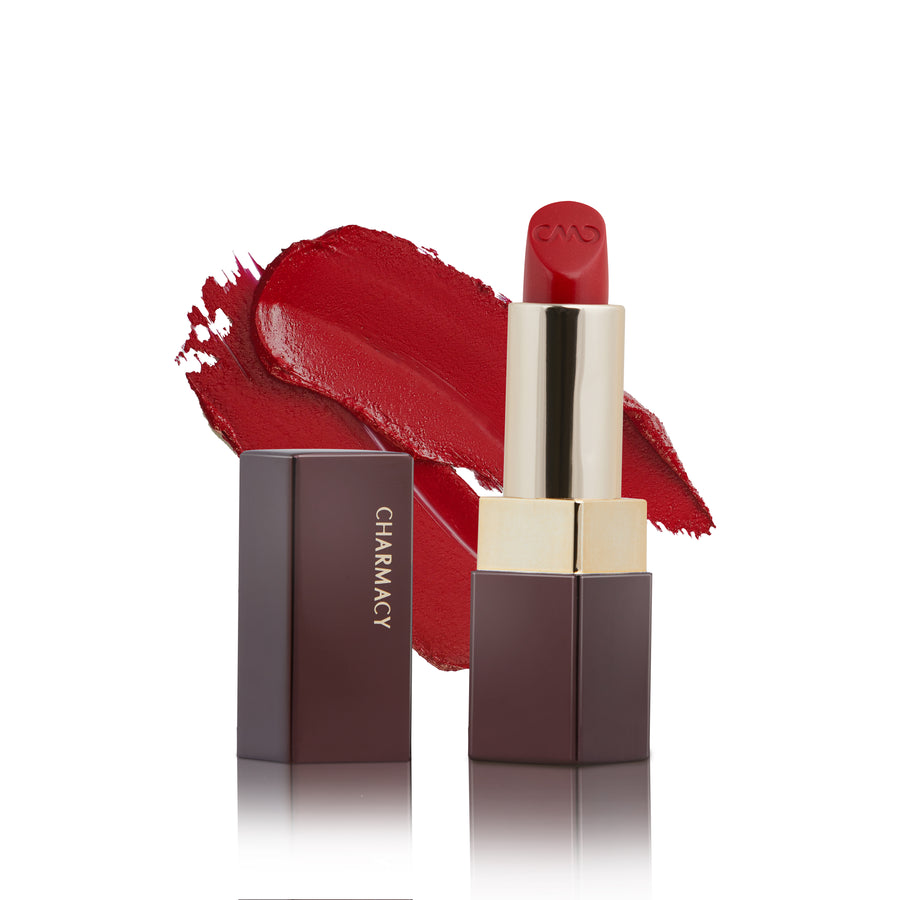
 Eye Liner
 Eyebrow
 Eye Shadow
 Mascara
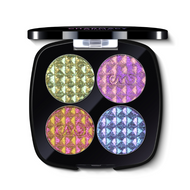 Insane Quad Palette



Foundation + Setting Spray: The Secret to Longer-Lasting Makeup in the Heat

There is a very specific kind of makeup disappointment.
You finish getting ready. Your foundation looks smooth, your complexion looks even, your cheeks still have that fresh finish, and you check the mirror one last time before leaving.
Three hours later, you check again.
The nose is shiny. Your foundation has faded around the mouth. The cheeks look patchy. Something has settled into a crease that definitely wasn't there in the morning.
And your first instinct is usually the same:
Add more foundation.
But what if that is exactly what is making the problem worse?
Hot and humid conditions can change what is happening on the skin's surface. Research has found that exposure to hot outdoor conditions can increase facial sebum, greasiness and other skin-surface changes. A separate study of high-temperature, high-humidity exposure also found changes in facial sebum and other skin parameters.
Your makeup is therefore dealing with a moving surface—not a perfectly dry canvas.
And that is why getting longer-lasting makeup isn't simply about finding a “stronger” foundation or drowning your face in setting spray.
It is about how you build, set and refresh the makeup film on your skin.
The biggest secret?
Your foundation and setting spray shouldn't be treated as two completely separate steps. They can be part of one controlled layering strategy.
Here is how to make that strategy work in real heat.
Why Does Makeup Break Down Faster in Heat?
The problem isn't simply that your foundation “melts.”
Several things can happen at the same time.
Your skin can produce more sweat and sebum. Humidity changes the environment around the skin. Friction from touching your face, wiping sweat, clothing, phones and other contact can disturb makeup. Foundation itself can gradually move on the skin during wear.
In an eight-hour controlled study of facial foundations, researchers observed gradual degradation of the cosmetic film and migration of foundation pigments across the skin.
Another study found that the forehead, nose and chin can produce more sebum than the cheeks, reinforcing something makeup wearers already notice: different parts of your face can behave very differently.
So if your nose becomes oily while your cheeks remain comfortable, applying the exact same amount of powder and foundation everywhere doesn't necessarily make sense.
Your makeup routine should follow your skin-not the other way around.
We Put the Combination to a Real-World Test in Dubai
There is a difference between looking at makeup in an air-conditioned room and asking it to perform in real heat.
That is why we put the foundation + setting spray combination to a real-world test in Dubai heat to see how it performs outside a controlled, air-conditioned setting.
The purpose was simple: take the combination into a genuinely hot environment and see how the makeup holds up in real-world conditions.
This kind of real-world test is useful because makeup doesn't experience heat in isolation. In everyday life, it is exposed to movement, sweat, oil, humidity, touching and changing conditions.
The Dubai test therefore fits naturally into the bigger question behind this article:
Can the right foundation + setting spray technique help create a more resilient makeup base when the environment gets tough?
The test itself is a practical demonstration rather than a controlled scientific study, so it should be viewed as real-world brand testing, not as independent laboratory evidence.
The 10X Foundation + Setting Spray Formula
Before getting into the techniques, remember this sequence:
Prep → Apply Thinly → Target Coverage → Blend → Set → Let It Dry → Observe → Refresh Only Where Needed
It sounds simple.
But the important part is what you don't do.
You don't automatically add more foundation.
You don't keep rubbing the same area.
You don't powder your entire face because your nose became shiny.
And you don't assume that more setting spray automatically means more longevity.
Now let's get into the techniques.
1. The Pre-Prep Spray: Start Your Layers With Intention
Setting spray is usually associated with the final step of makeup.
But some sprays are specifically designed to be used between makeup layers as well. That creates another possibility: using the spray during the preparation or layering process.
The important distinction is this:
Do not assume every setting spray belongs before foundation. Check the product's directions.
When a product is designed for between-layer use, a light mist can become part of the architecture of your makeup rather than just the final finishing step.
Mist lightly.
Allow it to settle.
Then continue with foundation.
The goal isn't to make the skin visibly wet.
It is to create a controlled layer that fits into the rest of the routine.
For example, Charmacy Milano's CMC S3 Setting & Fixing Spray specifically states that it can be used both as a final setting step and between layers. The brand also instructs users to mist from 15–20 cm away and let it air-dry without touching. These are product-specific directions, not universal rules for every setting spray.
The secret:
A spray used between layers should support the makeup—not become another thick layer of makeup.
2. The Dot-and-Spray Method
This is for anyone who has ever looked at their face halfway through applying foundation and thought:
“Why did I put so much on?”
Instead of covering your entire face with one large application, divide your face into sections.
Start with one area.
Apply a few small dots of foundation.
Blend.
Assess.
Then move to the next section.
Once an appropriate layer has been created, a compatible setting spray can be lightly used between layers if the product directions allow it.
Let it settle before continuing.
Why this works as a strategy
The method gives you more control over the amount of product sitting on each area.
That matters because once a thick layer is already covering the face, removing excess product becomes much harder than simply avoiding it in the first place.
Think:
Dot → Blend → Assess → Set → Repeat
rather than:
Pump → Spread → Add more → Add more → Panic
The difference is control.
3. The Saturated Sponge Technique
A makeup sponge can do more than simply blend foundation.
Used correctly, it can help you work with thinner layers.
Dampen the sponge appropriately and squeeze out excess water. You want it Do not assume every setting spray belongs before foundation. Check the product's directions.
Apply foundation by gently pressing and bouncing the sponge across the skin.
Avoid aggressively rubbing the product backward and forward.
The objective is not to soak the foundation into the sponge.
It is to distribute the product evenly and keep the layer controlled.
The advanced version
If the particular setting spray's instructions permit application to a sponge, you can lightly mist the sponge and then press it over the makeup.
This can be especially useful when you want to soften the appearance of several layers instead of simply adding another product layer on top.
But again:
Follow the product directions.
Not every spray is intended for use this way.
And don't turn the sponge into a wet sponge.
Too much moisture defeats the point of controlled layering.
4. Try the Coverage Budget Method
This is one of the biggest upgrades to an ordinary foundation routine.
Before applying your base, mentally divide the face into three categories:
High coverage
Areas that genuinely need more evening out or concealing.
Medium coverage
Areas where you want some complexion correction but don't need full coverage.
Low coverage
Areas where your natural skin already looks good.
Now apply accordingly.
This creates a more realistic complexion.
And it gives hot-weather makeup a major advantage:
There is less unnecessary product waiting to break down.
Charmacy Milano's current CMC Matte Foundation instructions similarly recommend starting with a light layer and adding a second thin layer where more coverage is needed, while warning that excessive product or too many layers can create a cakey appearance. That is a manufacturer instruction, not independent evidence that the product will perform identically on every skin type.
5. Stop Treating Your Whole Face Like One Skin Type
Your T-zone and cheeks may have completely different priorities.
Research has documented regional differences in facial sebum production, with the forehead, nose and chin generally producing more sebum than the cheeks.
So, build your makeup routine in zones.
Around the nose
Use a smaller amount of foundation.
Blend carefully.
Avoid repeatedly rubbing the area.
Forehead
Apply enough for evenness rather than automatically adding another coat.
Cheeks
Keep the base lighter if they already have good coverage.
Under the eyes
Use as little complexion product as necessary.
This is the Zone Strategy:
Same face. Different treatment.
That is far more useful than blindly trying to make every part of the face equally matte.
6. The Thin-Layer Lock
Here is the difference between building foundation and stacking foundation.
Building means adding small amounts deliberately.
Stacking means repeatedly putting more product on top because the previous layer doesn't feel sufficient.
In hot weather, stacking can quickly become visible.
Try this instead:
Layer 1: even out the complexion.
Pause.
Layer 2: add coverage only where necessary.
Pause.
Set.
Stop.
That final word matters.
Stop.
You don't have to use every product simply because it is available.
A lighter base gives you more flexibility later when you need a touch-up.
7. The Powder–Spray Balance
Powder and setting spray can play different roles.
Powder can help manage shine in areas where excess oil is a concern.
Setting spray can be used as part of the overall finishing process, depending on its formulation and directions.
The mistake is treating both like something that must cover your entire face equally.
Instead, think:
Powder = targeted control
Setting spray = finishing and setting step
For example, your nose may benefit from targeted powder while your cheeks need very little.
This creates a more balanced finish.
And it avoids the classic hot-weather problem:
a face that isn't actually oily, but looks heavy because you've powdered it as though it is.
8. The Dry-Time Rule Nobody Talks About Enough
This may be one of the least glamorous tips in makeup.
Leave your face alone.
After setting spray, people often immediately touch their skin, press it, fan it aggressively or start fixing small details.
That can disturb the very layer they are trying to set.
The CMC S3 product directions, for example, specifically say to mist from 15–20 cm away and allow the product to air-dry without touching.
The broader principle is even simpler:
Don't evaluate a wet setting layer before it dries.
Give it a chance.
Then assess the finish.
9. The Breakdown Map: Find Out Where Your Makeup Actually Fails
Here's a technique worth adding to your routine for a week.
Don't just say:
“My makeup doesn't last.”
Find out where it doesn't last.
Check your face at different points of the day.
Maybe you discover:
11 a.m. - nose starts getting shiny
1 p.m. - upper lip begins fading
3 p.m. - forehead becomes oily
5 p.m. - cheeks still look fine
Now you have useful information.
You've created your Breakdown Map.
And suddenly your next makeup routine becomes more intelligent.
You know where to apply less.
You know where to set more carefully.
You know where to leave alone.
You know which areas actually need midday attention.
Instead of fighting the entire face, you fight the actual problem.
10. The Blot-Before-You-Rebuild Rule
This is the midday technique that can save you from cakey makeup.
Your first instinct when foundation disappears is often:
Add more foundation.
But pause.
Is the area actually missing coverage?
Or is oil sitting on top of the remaining makeup?
If the problem is oil, adding another layer immediately can make the surface heavier.
Instead:
Step 1
Gently blot excess oil or sweat.
Step 2
Look at the area again.
Step 3
If coverage is still missing, add a very small amount of foundation.
Step 4
Blend only that area.
Step 5
Reset it according to your normal setting routine.
This follows a simple rule:
Remove the problem before replacing the makeup.
Dermatologists also advise people with oily skin to cleanse gently after sweating rather than scrubbing aggressively, reinforcing the broader principle that harshly manipulating the skin is not the solution to excess oil.
11. Don't Overcorrect Shine
Here's a mistake that can make makeup look less natural even when it technically lasts longer.
You see shine.
You add powder.
You see more shine.
You add more powder.
The makeup lasts—but now it looks visibly layered.
The better approach is controlled correction.
Ask:
Is this actually excess oil?
Is the foundation separating?
Has the product simply worn away?
Is the shine actually part of the finish I like?
Not every trace of skin shine needs to be removed.
A natural-looking base doesn't have to be completely flat.
12. The Setting Spray Distance Rule
The way you spray matters.
Holding a spray extremely close to the face can concentrate product in one area.
Holding it at an appropriate distance helps distribute the mist more evenly.
But there is no universal distance that applies to every setting spray.
Use the instructions on the bottle.
For CMC S3, the manufacturer currently recommends 15–20 cm from the face and instructs users to mist evenly and allow it to air-dry.
This is exactly why reading cosmetic labels matters. The FDA advises consumers to read cosmetic labels and follow directions and warnings for proper use.
So, Should Setting Spray Go Before or After Foundation?
It depends on the product.
As a general makeup routine, setting spray is commonly used after makeup.
But some beauty products are specifically intended to be used between layers.
That means the better question is not:
“What is the one correct order for every setting spray?”
It is:
“What does this particular formula instruct me to do?”
For example, CMC S3 says it can be used between layers as well as after completing makeup.
So if you want to experiment with a pre-foundation or between-layer technique, start with the label rather than a universal TikTok-style rule.
Can You Spray Setting Spray Directly Onto a Makeup Sponge?
Again, there isn't one universal answer.
Some artists use spray with a sponge as part of their technique, but whether you should do that with a particular product depends on the product's intended use.
If the manufacturer does not recommend applying it to the sponge, don't assume the technique is automatically appropriate.
The goal is to control application—not collect techniques simply because they are trendy.
What Makes Makeup Look Cakey in the Heat?
Usually, the problem isn't one single product.
It can be the accumulation of several small decisions:
Too much foundation.
Too many layers.
Too much powder.
Repeated touching.
Reapplying foundation over oil.
Not allowing layers to settle.
Using incompatible products.
This is why a long-lasting routine should not be designed around maximum product.
It should be designed around minimum necessary product with maximum control.
The 10-Minute Heat-Proof Base Routine
When you need your makeup to survive a hot day, use this sequence.
Step 1: Prep
Start with your usual skin-preparation routine and give it time to settle.
Step 2: Prime strategically
Use hydrating primer where it solves a specific problem rather than automatically covering your whole face.
Step 3: Optional pre-prep mist
Only if your setting spray's directions allow it.
Step 4: Apply foundation in a thin layer
Start with less.
Step 5: Use the Coverage Budget
Add more only to areas that need it.
Step 6: Blend without overworking
Once an area looks good, stop touching it.
Step 7: Powder strategically
Concentrate powder where shine control matters.
Step 8: Set
Use your setting spray according to its instructions.
Step 9: Dry
Hands off.
Step 10: Walk away
This last step sounds ridiculous.
It isn't.
Sometimes the best thing you can do for a finished base is stop trying to improve it.
7 Foundation + Setting Spray Mistakes to Avoid
1. Starting with too much foundation
You lose flexibility before the day has even started.
2. Applying the same amount everywhere
Different zones have different needs.
3. Spraying too much
A setting spray is not supposed to replace foundation.
4. Touching the face while the spray dries
Give the setting layer time to settle.
5. Rebuilding over sweat and oil
Blot first.
6. Powdering the entire face repeatedly
Target the problem areas.
7. Believing “long-wear” means “bulletproof”
No cosmetic routine can completely remove the effects of sweat, oil, friction, and environmental conditions.
Even in controlled settings, foundation films gradually change during wear.
The Smart Way to Use Foundation + Setting Spray Together
The most effective routine isn't:
Foundation + lots of spray + more powder.
It is:
Foundation for coverage.
Setting spray for the setting step.
Powder where shine needs control.
Technique for everything in between.
That's the part many makeup routines overlook.
Products matter.
But how the products interact on the skin matters too.
And if your makeup routinely breaks down in the same places, your first move shouldn't be to buy another product.
Study the pattern.
The Final “Heat Test”
Before you leave the house, ask yourself five questions:
Have I applied more foundation than I actually need?
Which area of my face is most likely to become oily?
Have I allowed each layer enough time to settle?
Am I using my setting spray according to its instructions?
Do I know what I'll do if my makeup breaks down later?
That last question is particularly important.
Because long-lasting makeup isn't makeup that never changes.
It is makeup that changes gracefully and can be refreshed without starting from zero.
Final Takeaway: Make Your Makeup Work Smarter, Not Harder
Hot and humid weather is going to challenge your makeup.
Your skin can become sweatier or oilier, different areas of your face can behave differently, and the makeup film itself can gradually migrate or break down during wear. Research supports the fact that heat and outdoor exposure can influence sebum, greasiness and other skin properties, while controlled studies have observed gradual foundation-film degradation during wear.
But that doesn't mean your only option is heavier foundation.
The better strategy is more precise.
Use the Pre-Prep Spray when your product allows it. Try the Dot-and-Spray Method to control layers. Use the Saturated Sponge Technique for a lighter application when appropriate. Think in zones instead of treating the whole face identically. Build coverage instead of stacking it. Let each layer settle. Powder strategically. And when midday shine appears, blot before you rebuild.
Most importantly, stop thinking of long-lasting makeup as a battle between your face and your foundation.
Think of it as a layering system.
Prep it. Thin it. Target it. Set it. Leave it alone. Refresh only what needs refreshing.
Because when the temperature rises, the goal isn't to put more makeup on your skin—it's to make every layer earn its place.
So, the next time your makeup starts breaking down in the heat, will you add another layer—or use a smarter foundation and setting spray strategy instead?
Frequently Asked Questions
1. Do you need setting spray if you use powder foundation?
Yes, setting spray can be useful even when you use powder foundation. It helps melt powder layers together, reduce a dry or overly powdered appearance, and improve makeup longevity. Charmacy Milano’s CMC S3 Setting & Fixing Spray can be applied as the final step to create a smoother, more seamless finish.
2. Do I need setting spray if I don't use foundation?
Yes, you can use setting spray without foundation. Setting spray is designed to help makeup layers stay together, so it can be useful with concealer, blush, bronzer, highlighter, or even minimal makeup. Charmacy Milano’s CMC S3 Setting & Fixing Spray can be used as a final step or between makeup layers.
3. Is setting spray good for liquid foundation?
Yes, setting spray works well with liquid foundation and can help improve the overall wear of your makeup. After applying foundation and the rest of your makeup, mist Charmacy Milano CMC S3 Setting & Fixing Spray evenly over the face. Its ultra-fine spray helps melt layers together for a smooth, skin-like finish.
4. How To Make Foundation Last Longer In Summer?
To make foundation last longer in summer, start with well-prepped skin, use a lightweight primer, apply thin layers of foundation, and set areas prone to excess shine with powder. Finish with a setting spray. Charmacy Milano’s CMC Matte Foundation is designed to be waterproof, sweat- and humidity-resistant, making it suitable for warm, humid conditions.
5. How many times should I apply setting spray?
For most makeup looks, setting spray can be applied once after completing your makeup. You can also lightly mist it between makeup layers when you want them to blend together more seamlessly. Charmacy Milano’s CMC S3 Setting & Fixing Spray is designed for both final setting and use between layers, depending on your makeup routine.
6. Is CMC Foundation and Setting Spray vegan and cruelty-free?
Yes. Charmacy Milano’s CMC Matte Foundation is described by the brand as vegan and cruelty-free. Charmacy Milano also identifies itself as a vegan and cruelty-free beauty brand. For the CMC S3 Setting & Fixing Spray specifically, current retailer information lists it as vegan, while Charmacy Milano’s broader product range is positioned around vegan and cruelty-free beauty.
7. What does setting spray do to foundation?
Setting spray helps bring different makeup layers together after application, creating a more seamless appearance while helping the makeup stay in place. Charmacy Milano’s CMC S3 Setting & Fixing Spray uses an ultra-fine mist designed to melt makeup layers together, helping reduce a heavy or overly powdered look while maintaining a fresh finish.
8. Can I use setting spray before foundation?
Yes, setting spray can be used between makeup layers, although it is not essential before foundation for everyone. Charmacy Milano recommends CMC S3 Setting & Fixing Spray both as a final setting step and between layers. Using it strategically can help makeup layers blend together without creating a heavy, cakey appearance.
9. Is setting spray better than setting powder?
Setting spray and setting powder serve different purposes, so one is not universally better than the other. Powder is particularly useful for controlling shine and setting specific areas, while setting spray helps bring makeup layers together and improve overall wear. Using both can work well, especially for long-lasting makeup in warm weather.