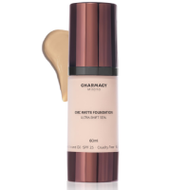
 Matte Foundation 60ML
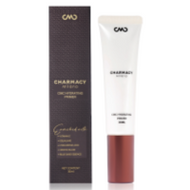 Hydrating Primer
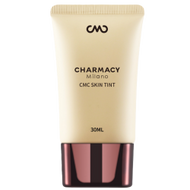 Skin Tint
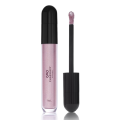 Glow Drip
 Blush Drip
 Setting and Fixing Spray
 Primer
 Matte Foundation
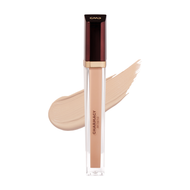 Concealer
 HD Cover Compact Powder
 Setting Powder
 Star Dust
 Baked Illuminator
 Cheek Enhancer
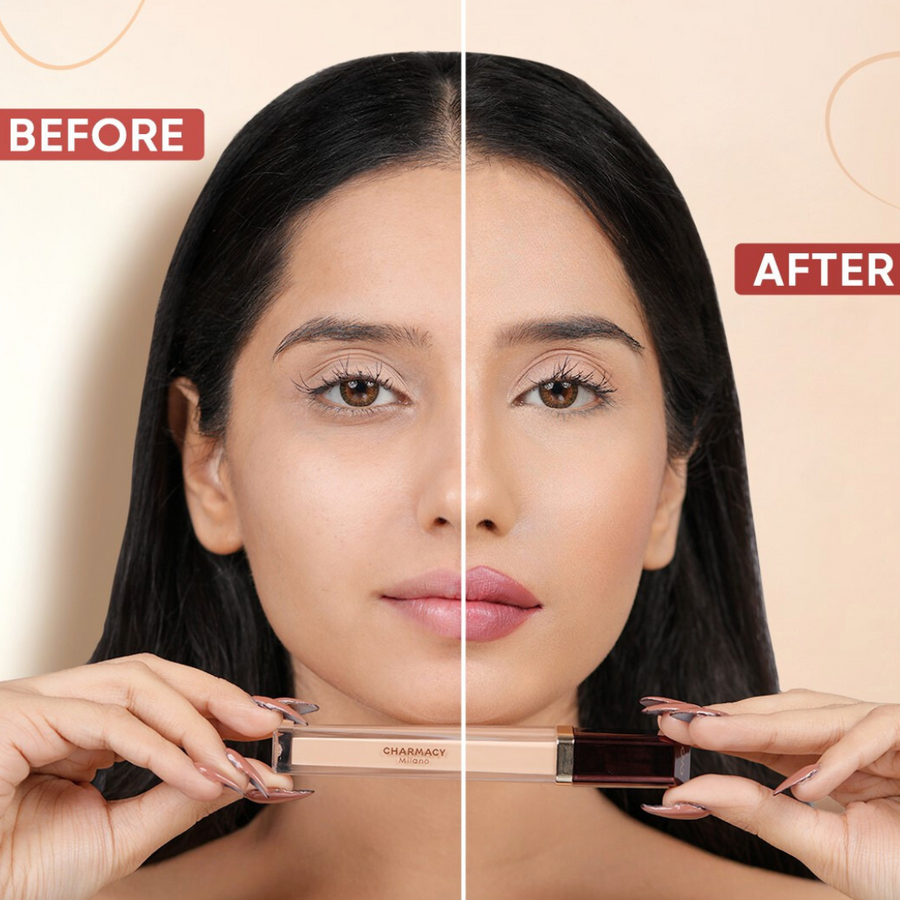
 Kiss Drip Lip Gloss
 Soft Satin Matte Lipstick
 Stunning Longstay Liquid Lip
 Flattering Nude Lipstick
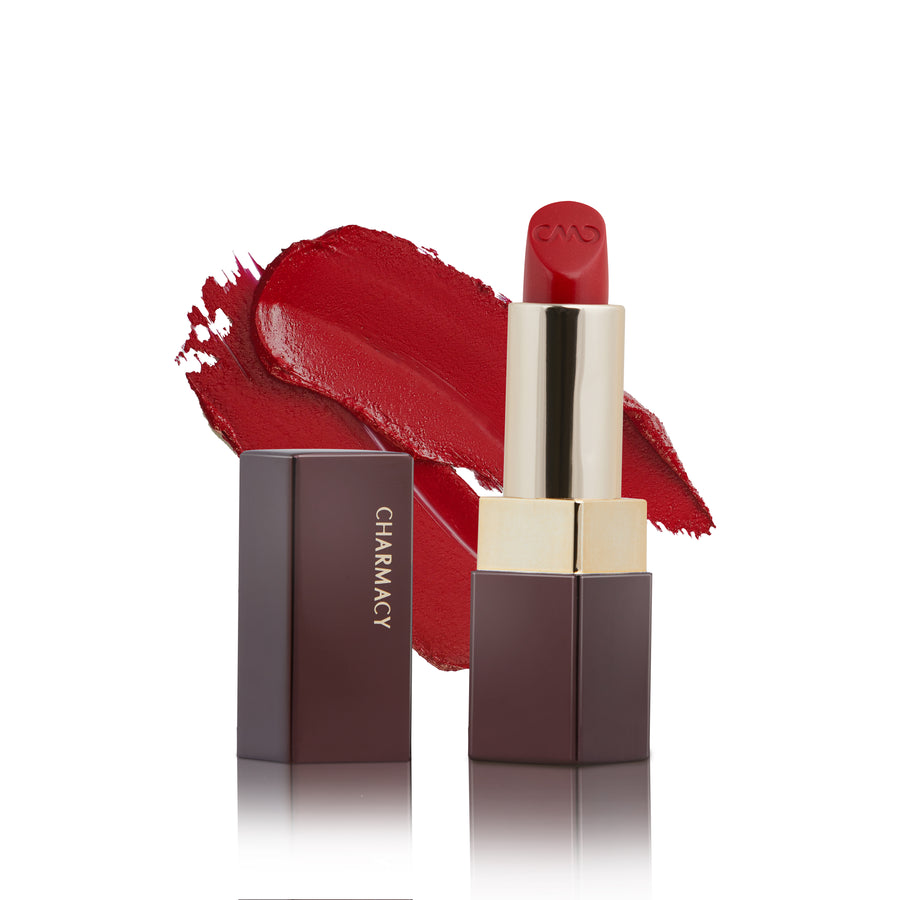
 Luxe Creme Lipstick
 Lip Contour Lip Liner
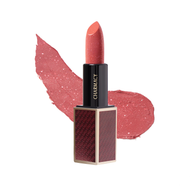 Diamond Rush
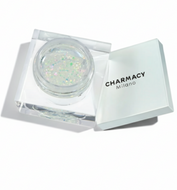 Magicolor Lip and Cheek Balm
 Magicolor Star Glow Lipstick
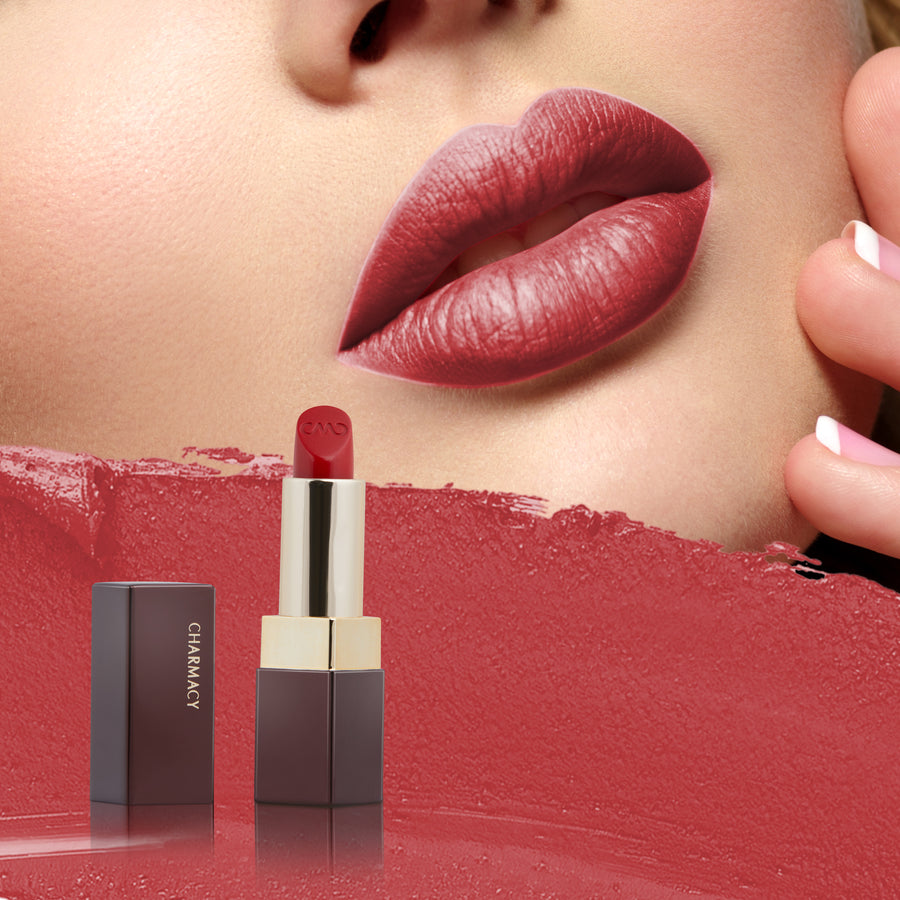
 Eye Liner
 Eyebrow
 Eye Shadow
 Mascara
 Insane Quad Palette



How to Find Your Perfect Foundation Shade: Avoid These Common Shade-Matching Mistakes

Finding the perfect foundation can feel surprisingly difficult. We've all experienced it at some point—you buy a foundation that looks perfect in the store, only to discover later that it looks too orange, too light, or strangely grey on your skin.
The truth is, choosing the right foundation isn't just about selecting a shade that looks close to your complexion. Your undertone, skin type, lighting conditions, and even foundation formula all play a role in achieving a natural-looking finish.
A reliable foundation shade finder can make the process easier, but understanding the basics of shade matching will help you avoid common mistakes and choose a foundation that truly complements your skin.
Quick Answer: How Do You Find Your Perfect Foundation Shade?
The best way to find your ideal foundation shade is to identify your skin tone and undertone, test shades along your jawline in natural daylight, and choose a formula suited to your skin type. A correctly matched foundation should blend seamlessly into your skin without leaving a noticeable line between your face and neck.
Why Finding the Right Foundation Shade Matters
Foundation is meant to enhance your natural complexion—not mask it.
When your foundation shade isn't a good match, it can make your makeup look obvious and uneven. You may notice:
- Your foundation looks orange after a few hours.
- Your face appears lighter or darker than your neck.
- Your skin looks dull or grey.
- Makeup photographs poorly.
- The overall finish looks unnatural.
A good foundation shade match should disappear into your skin and create an even, healthy-looking complexion.
Skin Tone vs. Undertone: What's the Difference?
One of the biggest reasons people struggle with foundation shade matching is confusion between skin tone and undertone.
Understanding Your Skin Tone
Your skin tone is the visible color of your skin's surface.
Common Indian skin tones include:
|
Skin Tone |
Description |
|
Fair Skin Tone |
Light complexion with minimal tanning |
|
Wheatish Skin Tone |
Beige-golden complexion common in India |
|
Medium Skin Tone |
Warm tan complexion |
|
Dusky Skin Tone |
Rich brown complexion |
|
Deep Skin Tone |
Dark brown complexion with higher melanin content |
Understanding Your Undertone
Your undertone is the subtle color underneath your skin's surface. Unlike your skin tone, it generally remains the same throughout the year.
There are three main undertones:
Warm Undertone
If your skin has golden, yellow, or peachy hues, you likely have a warm undertone.
Signs include:
- Green-looking veins
- Gold jewelry looks more flattering
- Skin tans easily
Cool Undertone
Cool undertones usually have pink, red, or bluish hints.
Signs include:
- Blue or purple veins
- Silver jewelry suits you better
- Skin may burn before tanning
Neutral Undertone
Neutral undertones sit somewhere between warm and cool.
Signs include:
- Both silver and gold jewelry look good
- Veins appear blue-green
- Most foundation shades suit your complexion
Understanding your undertone is one of the most important steps in any foundation shade guide.
How to Find Foundation Shade: A Step-by-Step Guide
Step 1: Identify Your Skin Tone
Look at your skin in natural daylight and determine whether you fall into the fair, wheatish, medium, dusky, or deep category.
Avoid judging your complexion under yellow indoor lighting, which can distort colors.
Step 2: Determine Your Undertone
Try these simple tests:
The Vein Test
Look at the veins on your wrist.
- Green veins = Warm undertone
- Blue or purple veins = Cool undertone
- A mix of both = Neutral undertone
The Jewelry Test
Notice which metal complements your skin better.
- Gold = Warm undertone
- Silver = Cool undertone
- Both = Neutral undertone
Step 3: Test Foundation on Your Jawline
One of the most common mistakes is swatching foundation on your hand.
The skin on your hands is often darker than your face because of sun exposure.
Instead:
- Apply two or three shades along your jawline.
- Blend lightly.
- Compare them in natural light.
- Choose the shade that seems to disappear into your skin.
Step 4: Check the Shade in Daylight
Store lighting can make foundation appear lighter or warmer than it actually is.
Always step outside or stand near a window before making a final decision.
Step 5: Wait Before Deciding
Some foundations darken after application due to a process called oxidation.
Wait 10–15 minutes after applying a sample before selecting your shade.
Common Foundation Shade Matching Mistakes to Avoid
Choosing a Shade That's Too Light
Many people assume a lighter foundation will make them look brighter.
In reality, it often creates:
- A chalky appearance
- Flashback in photos
- An unnatural contrast with the neck
The goal is not to look lighter—it's to look naturally even.
Ignoring Undertones
Even if the depth of a foundation seems correct, the wrong undertone can make it look completely off.
This is often why:
- Foundation looks orange.
- Foundation looks grey.
- Makeup appears artificial.
Testing on the Wrong Area
Your wrist and hand aren't accurate indicators of your facial complexion.
Always test along the jawline to ensure a seamless blend between face and neck.
Forgetting Seasonal Changes
Your complexion may deepen during summer and become lighter during cooler months.
Many makeup artists recommend keeping two foundation shades and mixing them as needed throughout the year.
Choosing the Wrong Formula
A perfect shade can still look unflattering if the formula doesn't suit your skin type.
That's why it's important to consider more than just color.
Choosing Foundation Based on Your Skin Type
Best Foundation for Oily Skin
If you struggle with excess shine, look for:
- Matte foundation
- Oil-free formulas
- Long-wear foundations
These help control oil production and keep makeup looking fresh throughout the day.
Best Foundation for Combination Skin
Combination skin benefits from balanced formulas that provide hydration without becoming greasy.
Look for:
- Soft matte finishes
- Buildable coverage
- Lightweight textures
Best Foundation for Dry Skin
Dry skin often requires extra hydration.
Choose foundations that contain moisturizing ingredients and provide a radiant finish.
Liquid Foundation for Dry Skin
A hydrating liquid foundation is usually the best option for dry skin because it:
- Blends smoothly
- Reduces patchiness
- Creates a healthier-looking finish
Foundation Shade Guide for Indian Skin Tones
India is home to an incredibly diverse range of complexions, which makes inclusive shade ranges essential.
Fair Skin Tone
Best matches often include:
- Warm Ivory
- Neutral Ivory
- Soft Beige
Wheatish Skin Tone
Popular choices include:
- Golden Beige
- Honey Beige
- Neutral Beige
Medium Skin Tone
Suitable shades often feature:
- Warm Tan
- Golden Honey
- Caramel Beige
Dusky Skin Tone
Look for shades such as:
- Caramel
- Mocha
- Rich Brown
Deep Skin Tone
Great options include:
- Espresso
- Cocoa
- Deep Mocha
When selecting a foundation shade for skin tone, always consider undertones alongside depth.
Foundation Shade Chart
|
Skin Tone |
Warm Undertone |
Neutral Undertone |
Cool Undertone |
|
Fair |
Warm Ivory |
Neutral Ivory |
Cool Ivory |
|
Wheatish |
Golden Beige |
Beige |
Rosy Beige |
|
Medium |
Honey |
Neutral Tan |
Cool Tan |
|
Dusky |
Caramel |
Mocha |
Cool Mocha |
|
Deep |
Cocoa |
Espresso |
Deep Cool Brown |
Use this foundation shade chart as a starting point, but always test products whenever possible.
How to Tell If Your Foundation Shade Is Wrong
You may need a different shade if:
- Your face doesn't match your neck.
- The foundation appears orange after application.
- Your complexion looks grey or ashy.
- You notice a visible foundation line.
- Photos reveal excessive flashback.
A properly matched foundation should look almost invisible once blended.
Final Thoughts
Finding the perfect foundation doesn't have to be complicated. With the help of a reliable foundation shade finder, a basic understanding of undertones, and proper testing techniques, you can avoid the most common shade-matching mistakes.
Whether you're looking for a matte foundation for oily skin, a hydrating liquid foundation for dry skin, or the perfect foundation for Indian skin tone, the key is choosing a shade that complements your natural complexion rather than trying to change it.
The right foundation should blend effortlessly, look natural in every light, and make your skin feel like the best version of itself.
For those exploring foundation options online, brands like Charmacy Milano offer shade ranges designed to suit the diverse beauty of Indian skin tones, making it easier to find a match that feels made for you.
FAQs
1. How can I find my foundation shade online?
A foundation shade finder compares your skin tone, undertone, and existing foundation matches to recommend suitable shades. Always review swatches and product descriptions before purchasing.
2. Why does my foundation look orange?
Orange tones usually indicate a mismatch in undertone or foundation oxidation. Choosing a more neutral shade often helps solve the issue.
3. Why does my foundation look grey on my skin?
Grey or ashy-looking foundation is often too light for your complexion or doesn't match your undertone correctly.
4. What is the best foundation for Indian skin tone?
The best foundation offers a wide shade range with warm, cool, and neutral undertones to suit India's diverse skin tones.
5. Should foundation match my face or neck?
Foundation should blend naturally between your face and neck. Testing along the jawline helps achieve the most seamless result.
6. Is matte foundation better for oily skin?
Yes. Matte foundations help control excess shine and generally provide longer-lasting wear for oily skin types.
7. Can dry skin use liquid foundation?
Absolutely. A hydrating liquid foundation can improve blendability, reduce dry patches, and create a smoother finish.
8. How many foundation shades should I own?
Many beauty professionals recommend keeping two shades—one for summer and one for winter—to accommodate seasonal changes in skin tone.