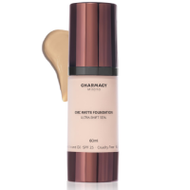
 Matte Foundation 60ML
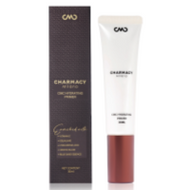 Hydrating Primer
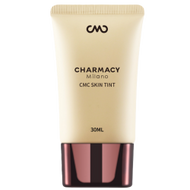 Skin Tint
 Glow Drip
 Blush Drip
 Setting and Fixing Spray
 Primer
 Matte Foundation
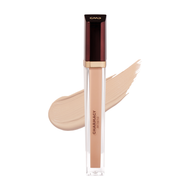 Concealer
 HD Cover Compact Powder
 Setting Powder
 Star Dust
 Baked Illuminator
 Cheek Enhancer
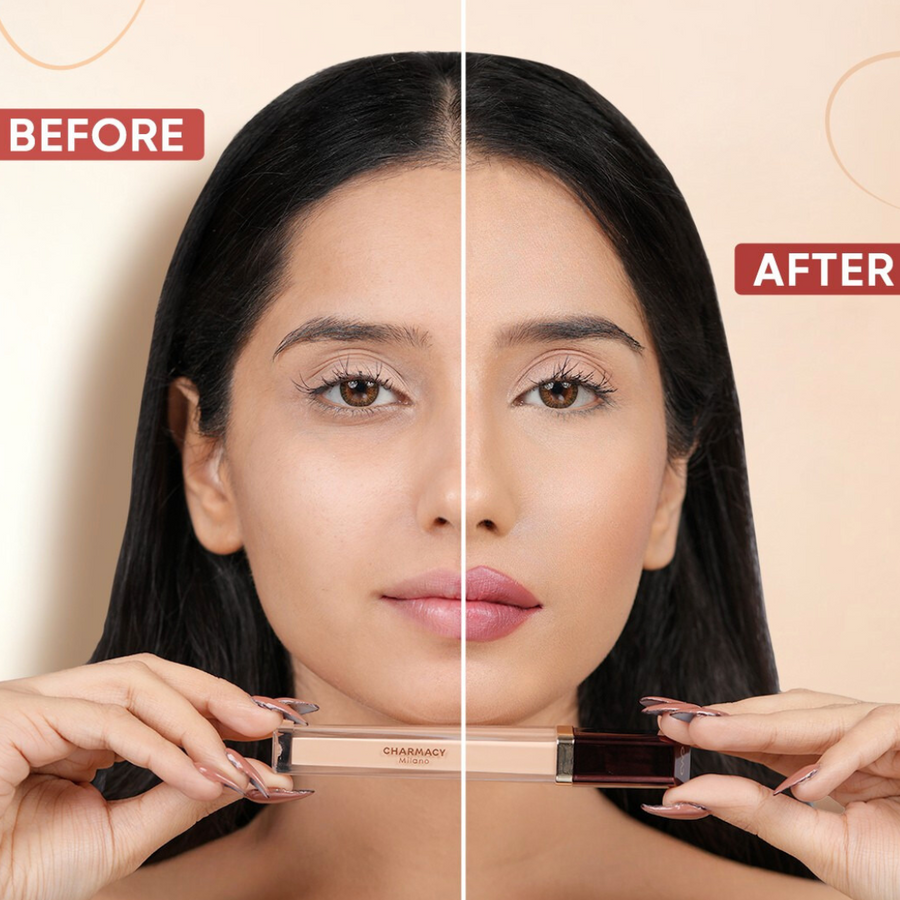
 Kiss Drip Lip Gloss
 Soft Satin Matte Lipstick
 Stunning Longstay Liquid Lip
 Flattering Nude Lipstick
 Luxe Creme Lipstick
 Lip Contour Lip Liner
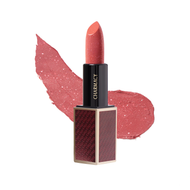 Diamond Rush
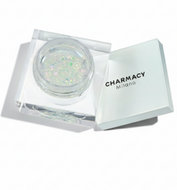 Magicolor Lip and Cheek Balm
 Magicolor Star Glow Lipstick
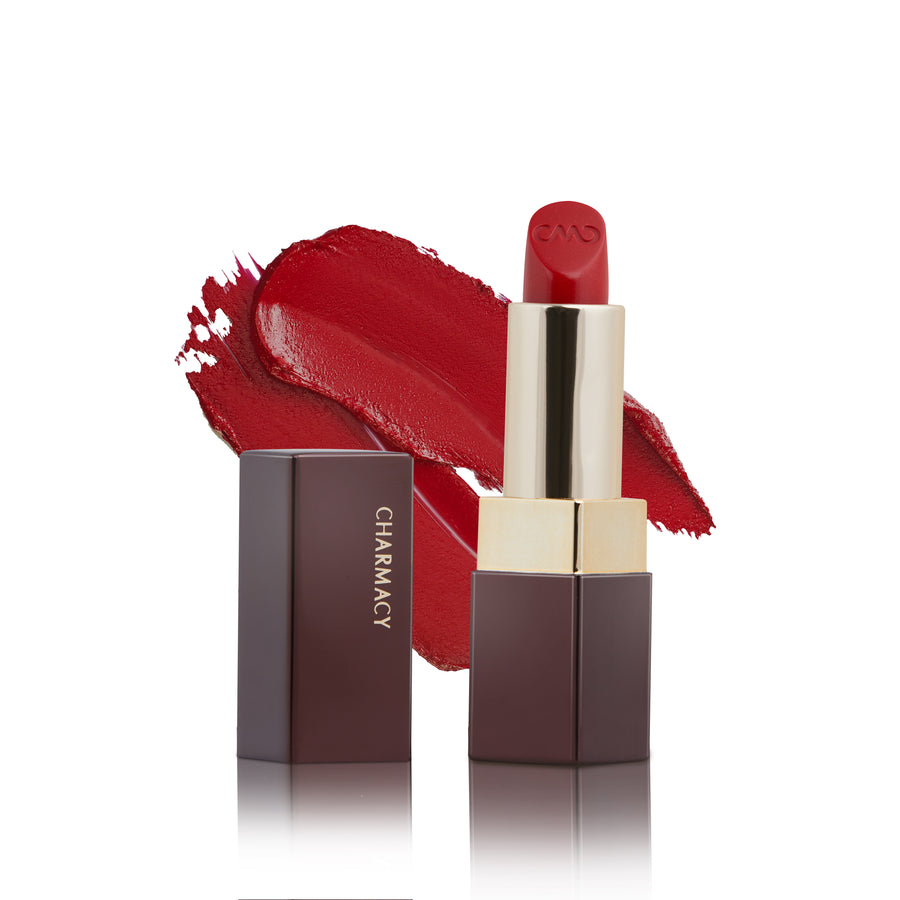
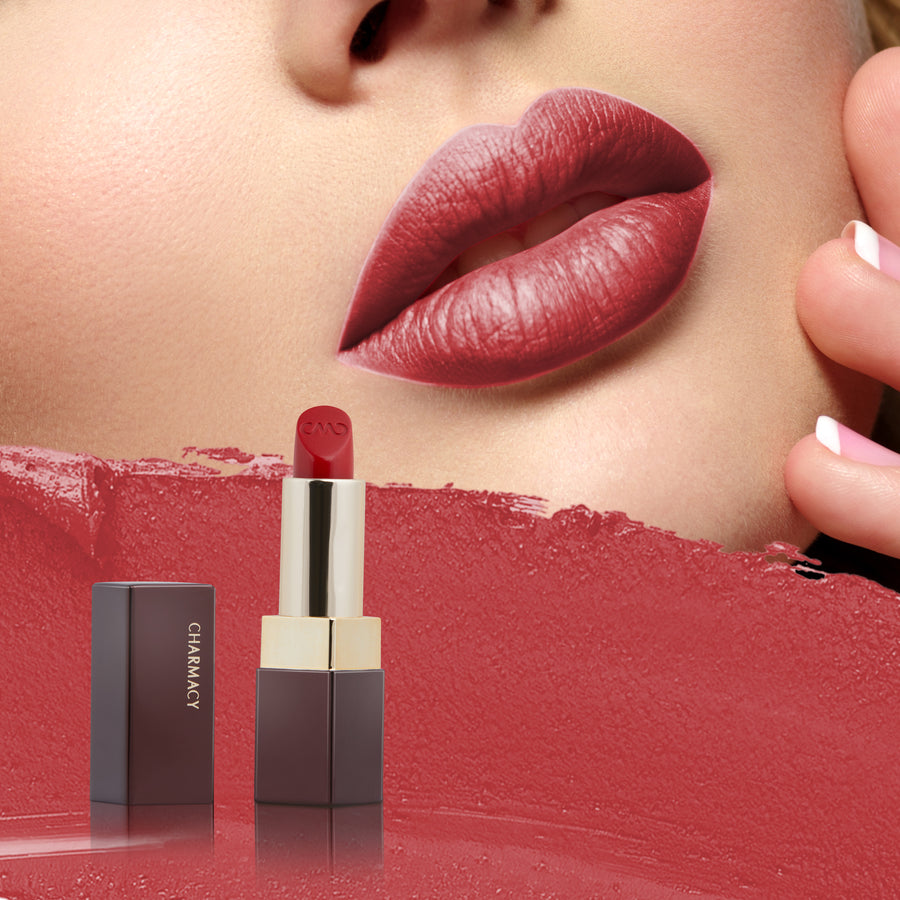
 Eye Liner
 Eyebrow
 Eye Shadow
 Mascara
 Insane Quad Palette
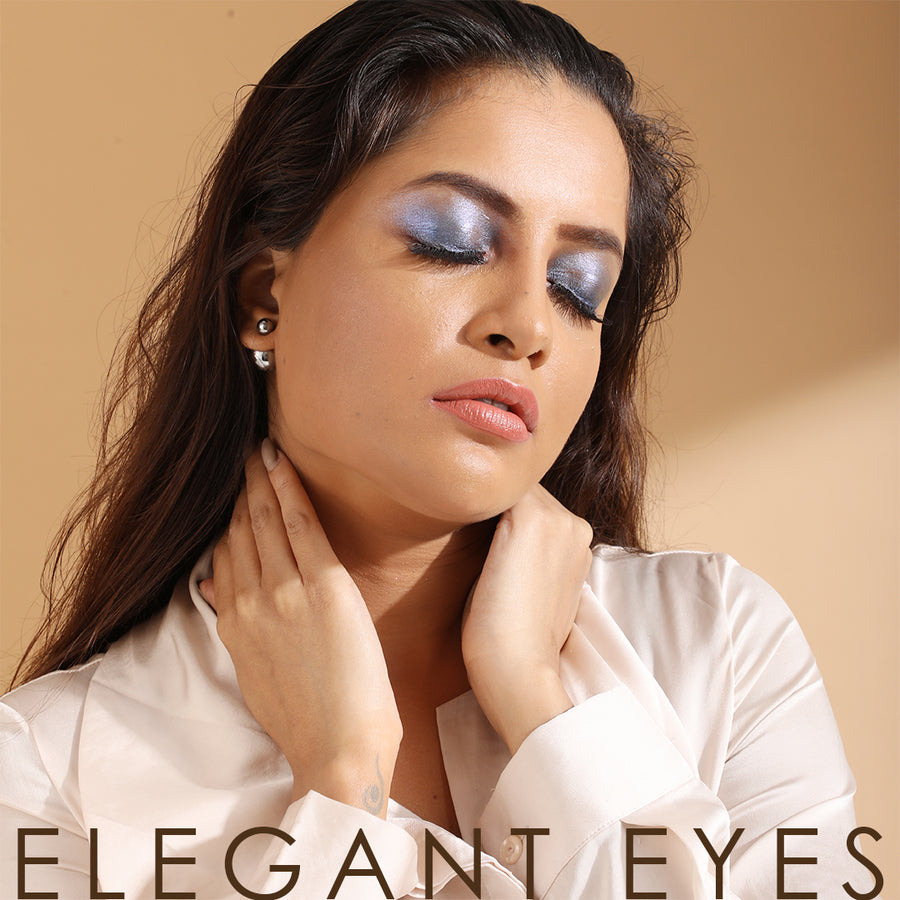
 Skin Tint + Glow Drip
 Skin Tint + Blush Drip
 Prep & Set



Face Highlighter vs Illuminator: What’s the Difference?

You finish your foundation, add blush, and reach for a glow product—then pause: highlighter or illuminator? Both promise radiance, but they create different effects.
Understanding the difference between highlighter and illuminator helps you choose the right product based on where you want light, how noticeable you want the sheen, and your preferred skin finish.
Whether you are exploring highlighter makeup for a defined glow or looking for an illuminator to achieve a naturally radiant complexion, knowing how each product works can make your makeup routine easier.
Highlighter vs Illuminator: The Key Differences
A face highlighter creates targeted light. Its concentrated reflectivity draws attention to cheekbones, brow bones, the nose bridge, inner eye corners, and Cupid’s bow. It may give a pearlescent or metallic sheen, making facial features look more defined.
An illuminator usually creates softer, diffused radiance. Depending on its formula, you can mix it with foundation, wear it beneath makeup, or blend it over wider areas for a lit-from-within effect. However, some illuminators contain strong pearl pigments and look just as reflective as highlighters.
Texture is not a strict dividing line: both products come in liquid, cream, and powder formats. Neither provides foundation-like coverage or conceals blemishes; both add light rather than even out skin tone. Think of the difference between highlighter and illuminator as placement and intensity: highlighter creates a focal point, while illuminator spreads luminosity.
For example, Charmacy Milano’s CMC Star Dust Highlighters feature ten holographic multichrome shades in a finely milled, highly pigmented powder. Its CMC Baked Illuminator uses reflective metallic pearls in a blendable, buildable baked-powder formula with a frosty finish. Though positioned differently, both can catch light on the high points; choose based on the finish and intensity you prefer.
How to Apply Each for a Seamless Glow
For a minimal daytime look, a sheer illuminator can soften a flat-looking base without obvious sparkle. For photographs, parties, or sculpted evening makeup, a highlighter gives a controlled pop wherever light naturally falls.
For an illuminator, start with a small amount. Mix a liquid or cream formula with foundation for an all-over glow, or tap it beneath foundation for softer radiance. Apply powder illuminator over a set base, sweeping lightly across the upper cheeks with a fluffy brush.
For highlighter, apply after foundation and blush. Pick up a little with a small tapered brush, tap away excess, and place it on cheekbone tops, brow bones, the nose bridge, or Cupid’s bow. A highlighter for cheeks works particularly well when applied to the upper cheekbones to create a lifted appearance. Blend the edges and build gradually.
If you are looking for the best highlighter, consider its pigmentation, blendability, and finish before selecting a shade. A well-formulated long lasting highlighter can help maintain your desired glow throughout the day. Maybelline’s 2026 guide also recommends starting small and blending before adding more.
Which One Suits Your Skin Type?
Your skin type and preferred makeup finish can influence your choice of highlighter makeup or illuminator. Here is how to select a suitable formula:
- Oily skin: Choose a powder formula and keep it targeted. Avoid adding shine across areas that become oily. A powder-based face highlighter can provide controlled radiance without making the entire face look excessively shiny.
- Dry skin: A liquid or cream illuminator can create a seamless, dewy finish. With powder, moisturise first and apply lightly to avoid emphasising dry texture.
- Combination skin: Use a controlled powder highlight on the cheekbones and keep the centre of the face more natural. Adjust placement to areas that feel dry or oily.
- Normal skin: Both can work. Choose illuminator for everyday softness and highlighter for a brighter, more defined finish.
Makeup artists commonly recommend cream or liquid textures for drier skin and powder for oily skin. Ultimately, the best highlighter for face depends on your skin type, desired finish, and how you prefer to apply your makeup.
Can You Use Highlighter and Illuminator Together?
Yes. You can combine highlighter and illuminator to create a multidimensional glow. Apply a thin layer of illuminator first—mixed into foundation or beneath it—then add highlighter to the cheekbone peaks and brow bones. This creates an overall glow with precise points of shine.
Keep both layers sheer, especially when products contain visible shimmer. If your base already looks luminous, skip the extra layer.
When selecting products, look for formulas that complement each other rather than competing for attention. If you prefer a more defined highlighter for cheeks, use a concentrated powder formula over a softly illuminated base.
Choose the Glow That Works for You
Choose illuminator for soft, healthy-looking radiance and highlighter when you want light to define specific features. Understanding highlighter and illuminator helps you select products that complement your skin type, makeup style, and desired finish.
Formulas can overlap, so check texture, pigment, and finish rather than relying on the label alone. If you are planning to buy highlighter, explore different shades and finishes to find one that suits your complexion. You can also browse highlighter online to compare product formulations and choose the right glow for your makeup routine.
Frequently Asked Questions
Which Is Best, Highlighter or Illuminator?
The best choice depends on your desired makeup finish. A highlighter is ideal for creating a noticeable, defined glow on specific facial features, while an illuminator helps achieve a softer, radiant appearance. For a subtle everyday glow, choose an illuminator. For a more pronounced, luminous finish, opt for the best highlighter that complements your skin tone.
What Is the Purpose of an Illuminator?
An illuminator adds luminosity to the skin, creating a fresh, healthy-looking and radiant complexion. It helps reduce the appearance of a flat, matte makeup finish by reflecting light. Depending on its formula, an illuminator can be applied beneath or over foundation or on selected facial areas for a naturally glowing look.
What Is the Purpose of a Highlighter?
A face highlighter enhances specific facial features by reflecting light on areas such as cheekbones, brow bones, the bridge of the nose and Cupid's bow. It adds dimension and a luminous finish to your makeup. Products like CMC Star Dust Highlighters offer holographic multichrome shades for a more eye-catching glow.
Is Illuminator the Same as Highlighter?
No, illuminators and highlighters are similar but serve slightly different purposes. An illuminator generally creates a diffused, radiant glow, whereas a highlighter delivers concentrated shine to specific facial features. However, their formulas and finishes can overlap, so choosing between them should depend on the product's texture, pigmentation and intended application.
Should I Apply Illuminator Before or After Foundation?
The application order depends on the illuminator's formula. Liquid and cream illuminators can be mixed with foundation, applied underneath it or layered over the base. Powder illuminators should generally be applied after foundation and setting powder. For example, the CMC Baked Illuminator can be applied over foundation or powder for a radiant, frosty finish.
Where Can I Buy Highlighter Online?
You can explore different highlighter formulas, shades, and finishes through online beauty stores. When choosing a product, consider your skin tone, preferred level of shimmer, and application style. If you want a noticeable, multidimensional glow, explore options such as Charmacy Milano's CMC Star Dust Highlighters.
How Can I Choose a Long Lasting Highlighter?
Look for a highly pigmented, blendable formula that adheres comfortably to your skin. Powder highlighters can work well over a set makeup base, while cream formulas offer a seamless finish. Always consider your skin type and apply the product gradually for a polished result.