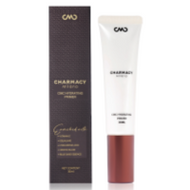
 Hydrating Primer
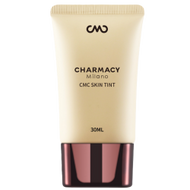 Skin Tint
 Glow Drip
 Blush Drip
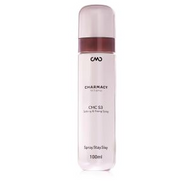 Setting and Fixing Spray
 Primer
 Matte Foundation
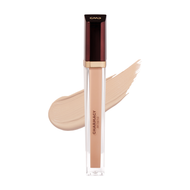 Concealer
 HD Cover Compact Powder
 Setting Powder
 Star Dust
 Baked Illuminator
 Cheek Enhancer
 Kiss Drip Lip Gloss
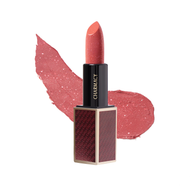
 Soft Satin Matte Lipstick
 Stunning Longstay Liquid Lip
 Flattering Nude Lipstick
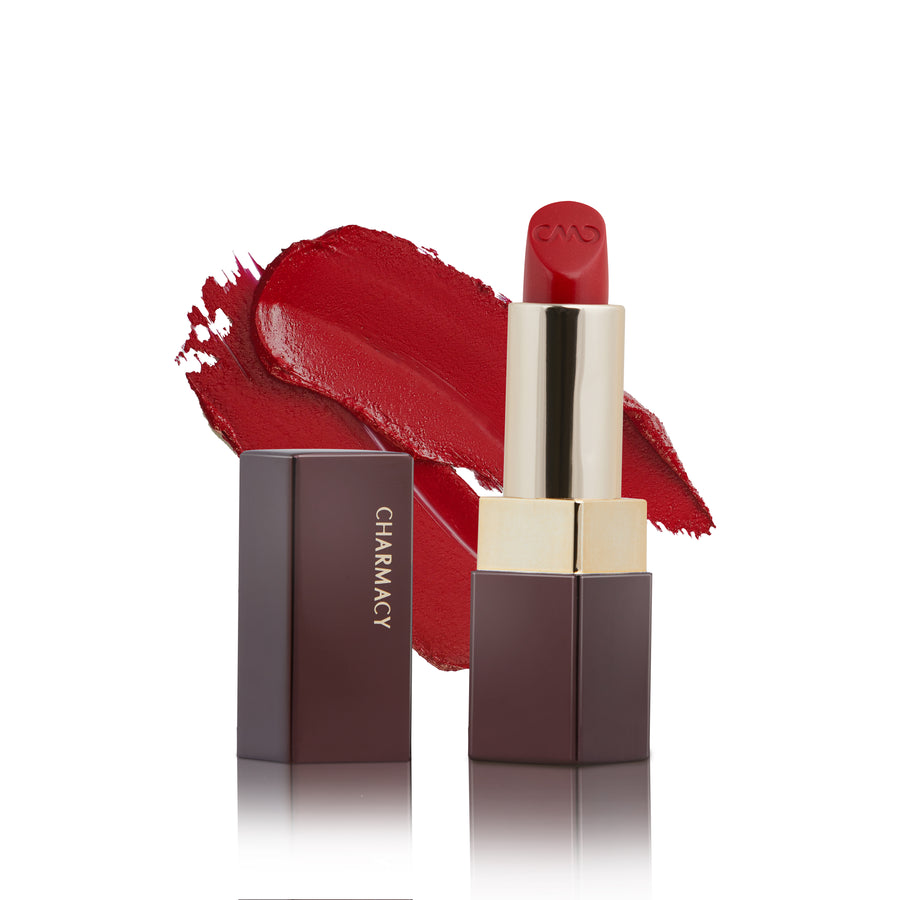
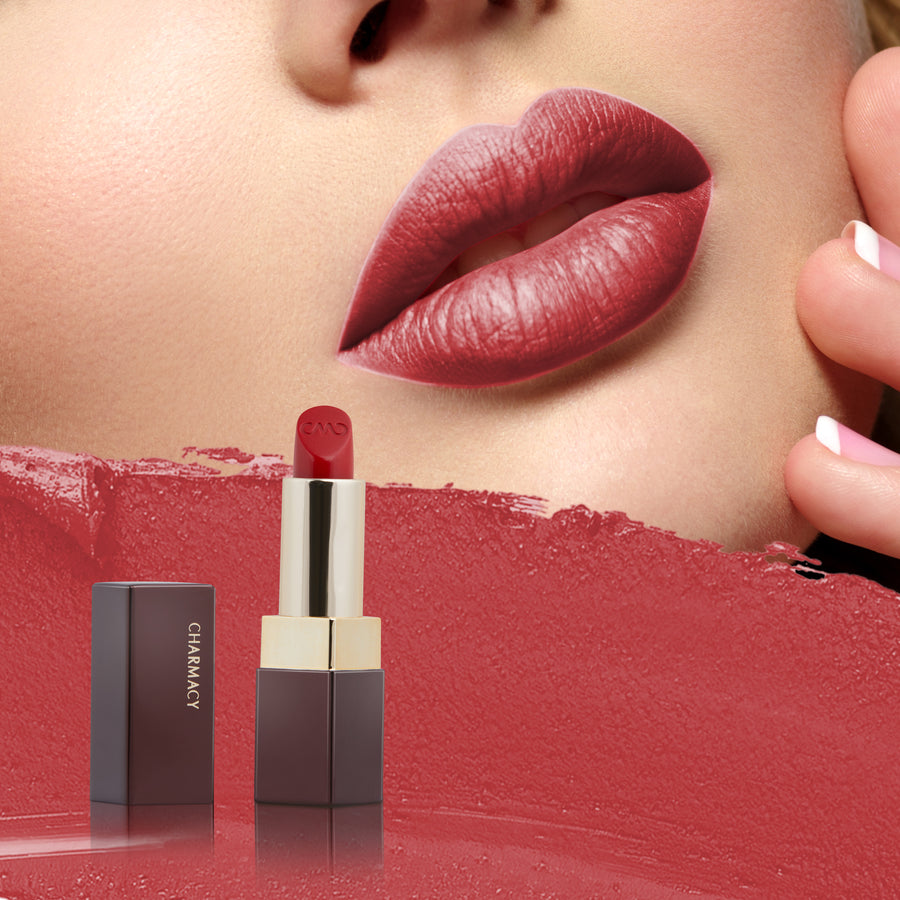
 Luxe Creme Lipstick
 Lip Contour Lip Liner
 Diamond Rush
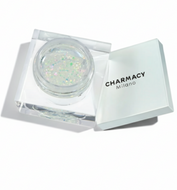 Magicolor Lip and Cheek Balm
 Magicolor Star Glow Lipstick
 Eye Liner
 Eyebrow
 Eye Shadow
 Mascara
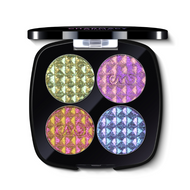 Insane Quad Palette



Hydrating Primer for Dry Skin: Benefits, How to Use & Makeup Tips

Dry skin can make even a well-prepared makeup routine feel challenging. Foundation may cling to dry patches, fine lines can look more noticeable, and the final finish may appear dull instead of fresh. This is where a hydrating primer for dry skin can make a practical difference by creating a smoother, more comfortable base before makeup.
Unlike a primer designed mainly to control oil or create a fully matte finish, a hydrating primer focuses on moisture, comfort, and a fresh-looking makeup base. For people in India dealing with seasonal dryness, indoor air conditioning, or dehydrated-looking skin, choosing the right formula and applying it correctly can improve the overall makeup experience.
Is a Hydrating Primer Good for Dry Skin?
Yes, a hydrating primer for dry skin can be useful when you want makeup look smoother, more comfortable, and naturally radiant. A suitable formula can add a moisturising layer beneath makeup, help reduce the appearance of dryness, and create a better surface for foundation. However, primer should complement—not replace—your regular moisturiser and sunscreen.
What Is a Hydrating Primer for Dry Skin?
A hydrating primer is a makeup-prep product designed to add moisture and create a smoother base for foundation or other complexion products. A primer for dry skin is generally formulated to support a comfortable, less powdery-looking finish rather than aggressively absorb surface oil.
Look for formulas that contain hydrating ingredients such as glycerin, hyaluronic acid, or other skin-conditioning ingredients. The American Academy of Dermatology also lists ingredients including glycerin, hyaluronic acid, dimethicone, and shea butter among options commonly found in products recommended for dry skin.
A hyaluronic primer, for example, can be appealing because hyaluronic acid is known for its ability to retain water and is widely used in topical skincare products.
Why Use a Makeup Primer for Dry Skin?
The main benefit of a makeup primer for dry skin is better makeup preparation. Dryness can create uneven textures that become more obvious once foundation is applied.
A suitable face primer for dry skin may help:
-
Create a smoother-looking makeup base
-
Add a layer of lightweight hydration
-
Improve the appearance of dry or rough areas
-
Help foundation spread more evenly
-
Create a fresh or dewy-looking finish
-
Make makeup feel more comfortable throughout wear
However, primer is not a treatment for severely dry skin. The AAD recommends regular moisturising as an important part of managing dry skin, particularly after cleansing and whenever skin feels dry.
What to Look for in the Best Hydrating Primer for Dry Skin
Choosing the best hydrating primer for dry skin is less about choosing the most expensive product and more about matching the formula to your skin and makeup preferences.
|
What to consider |
What to look for |
|
Hydration |
Glycerin, hyaluronic acid and conditioning ingredients |
|
Finish |
Natural, luminous or dewy |
|
Texture |
Lightweight cream, gel or lotion-like texture |
|
Skin feel |
Comfortable without excessive heaviness |
|
Makeup compatibility |
Spreads easily beneath foundation |
|
Skin sensitivity |
Consider fragrance-free options if your skin is easily irritated |
For dry and sensitive skin, checking the ingredient list matters. Dermatologists recommend gentle, fragrance-free skincare for dry skin because some ingredients can increase irritation.
Hydrating Primer vs Moisturizer: Do You Need Both?
A common mistake is treating primer as a replacement for moisturiser. A moisturizing primer for dry skin can support your makeup routine, but it serves a different purpose from a dedicated moisturiser.
Moisturiser is primarily part of your skincare routine, while primer is designed to prepare the skin for makeup.
A practical morning routine can look like:
Gentle cleanser → moisturiser → sunscreen → hydrating primer → makeup
Give your moisturiser and sunscreen enough time to settle before applying primer. This can reduce pilling and help the complexion products layer more evenly.
How to Use a Hydrating Face Primer Correctly
Using too much primer can actually make makeup harder to work with. Start with a small amount and add more only where needed.
Step 1: Start With Clean Skin
Cleanse your face using a gentle product suited to your skin. Avoid aggressive cleansing if your skin already feels tight or uncomfortable.
Step 2: Moisturise
Apply your regular moisturiser and allow it to settle. The AAD recommends moisturising while the skin still retains some moisture because this can help lock hydration into the skin.
Step 3: Apply Sunscreen
During the day, finish your skincare preparation with broad-spectrum sunscreen. The AAD recommends SPF 30 or higher for sun protection.
Step 4: Apply Primer
Use a pea-sized amount of your hydrating face primer and gently spread it across the face. Concentrate on areas that tend to look dry, such as the cheeks or around the mouth.
Step 5: Apply Foundation
Once the primer has settled, apply foundation using your preferred brush, sponge, or fingertips. Build coverage gradually instead of immediately applying a thick layer.
Makeup Tips for Dry or Flaky Skin
If you are looking for a primer for flaky skin, remember that primer cannot replace proper skin preparation. Visible flaking is often a sign that the skin is losing moisture, and excessively dry skin can develop rough texture and flakes.
For a smoother makeup result:
-
Avoid applying heavy foundation over obvious flakes.
-
Use gentle skincare rather than harsh scrubbing.
-
Choose a natural or dewy finish instead of an extremely matte base.
-
Apply complexion products in thin layers.
-
Press and blend rather than repeatedly rubbing the skin.
-
Keep a richer moisturiser in your routine when your skin needs additional comfort.
In very dry conditions, especially during colder months or prolonged exposure to air conditioning, adjusting the skincare underneath makeup may be more useful than simply adding more primer.
How to Get a Dewy Finish Without Looking Greasy
A dewy primer for dry skin can help create a fresh-looking base, but glow should look intentional rather than oily.
For an everyday Indian makeup look, try pairing a hydrating primer with a lightweight foundation or skin tint, cream blush, and a small amount of setting powder only where needed. This preserves luminosity while keeping the complexion looking polished.
For example, Charmacy Milano’s CMC Hydrating Primer is positioned as a hydrating base with a dewy, radiant finish and can be worn alone or mixed with foundation for a more skin-like finish.
Hydrating Primer for Dry Skin: Real-Life Makeup Scenarios
For office makeup: Choose a lightweight hydrating primer with a natural finish, followed by a thin layer of foundation or skin tint.
For weddings or events: A moisturising base can be useful when you need your complexion makeup to look smoother under stronger lighting and photography.
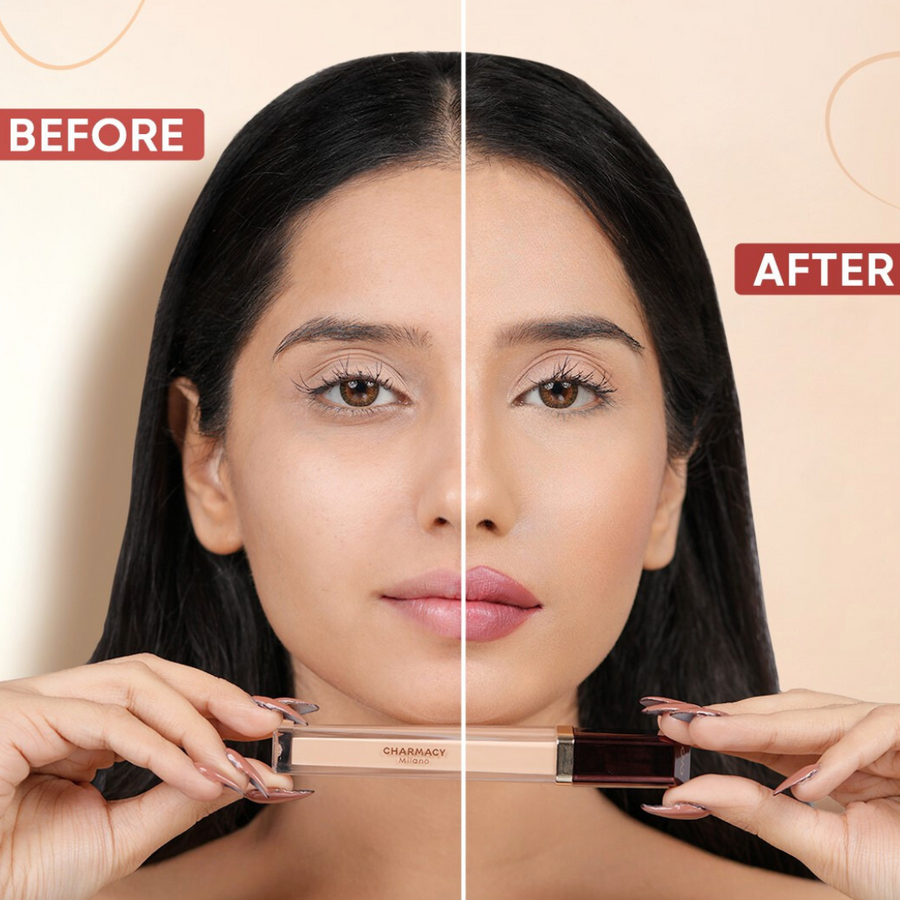
For everyday minimal makeup: Apply primer only to areas where dryness or uneven texture is most noticeable, then use concealer where needed.
For travel: A compact, versatile routine with moisturiser, sunscreen, primer, and lightweight complexion makeup can be easier to maintain than multiple heavy products.
Common Mistakes to Avoid
Even the best hydrating primer cannot fix every makeup issue. Avoid applying primer to completely unprepared, very dry skin and do not assume that more product creates more hydration.
Common mistakes include:
-
Skipping moisturiser
-
Applying too much primer
-
Rubbing aggressively over flaky areas
-
Using an overly matte foundation with very dry skin
-
Layering products before the previous layer settles
-
Ignoring persistent dryness or irritation
If dryness remains severe, painful, cracked, itchy, or persistent despite regular skincare, professional dermatological advice is more appropriate than adding more cosmetic products.
Final Thoughts
A hydrating primer for dry skin can be a valuable bridge between skincare and makeup. The right formula can help create a smoother-looking canvas, improve foundation application, and support a fresh, radiant finish without making the skin look overly powdered.
For the best results, focus on complete skin preparation: gentle cleansing, adequate moisturising, sunscreen, and then primer. Whether you prefer a hyaluronic primer, vitamin rich primer, or dewy primer for dry skin, choose a formula that matches your skin's needs and your preferred makeup finish.
Charmacy Milano’s CMC Hydrating Primer is one option for those looking for a moisture-focused primer with a radiant finish, particularly when the goal is comfortable, skin-like everyday makeup.
Frequently Asked Questions
1. Is hydrating primer good for dry skin?
Yes. A primer for dry skin can provide a more comfortable, smoother-looking base before makeup. It works best when used after moisturiser and sunscreen rather than instead of them. Choose a formula with hydrating ingredients and a natural or dewy finish if your complexion tends to look dull or flaky.
2. Can I use a hydrating primer every day?
Yes, a hydrating primer can be used as part of an everyday makeup routine when your skin tolerates the formula well. Apply a small amount after your skincare has settled. For dry or sensitive skin, gentle and fragrance-free formulations may be preferable.
3. What is the best hydrating primer for dry skin?
The best hydrating primer for dry skin depends on your skin type, desired finish, and makeup routine. Look for comfortable textures and ingredients such as glycerin or hyaluronic acid. A dewy or natural finish is often more suitable when you want to avoid an overly dry-looking complexion.
4. Can primer replace moisturiser?
No. A moisturizing primer for dry skin is primarily a makeup-prep product, while moisturiser is part of your skincare routine. Using both can provide better preparation for makeup, particularly when the skin feels dry. Apply moisturiser first, allow it to settle, and then use primer.
5. Is a dewy primer suitable for oily or combination skin?
It can be, but the application should be targeted. People with combination skin may use a dewy primer for dry skin on drier areas while choosing a more balanced or oil-controlling product on the T-zone. The goal is to control overall shine while keeping the complexion comfortable.
6. Can hydrating primer be used on flaky skin?
Yes, but primers should not be used to hide significant flaking. Start with gentle skincare and moisturisation, then apply a small amount of primer for flaky skin once the skin is comfortable. Avoid harsh exfoliation or aggressive rubbing immediately before makeup.
7. What ingredients are good in a primer for dehydrated skin?
Ingredients such as hyaluronic acid and glycerin can be useful in products designed to support hydration. Hyaluronic acid is widely used topically because of its water-retaining properties.