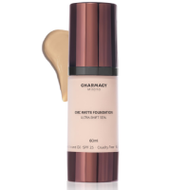
 Matte Foundation 60ML
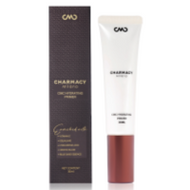 Hydrating Primer
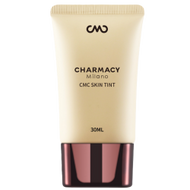 Skin Tint
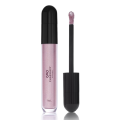 Glow Drip
 Blush Drip
 Setting and Fixing Spray
 Primer
 Matte Foundation
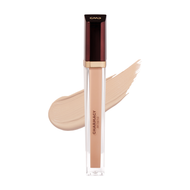 Concealer
 HD Cover Compact Powder
 Setting Powder
 Star Dust
 Baked Illuminator
 Cheek Enhancer
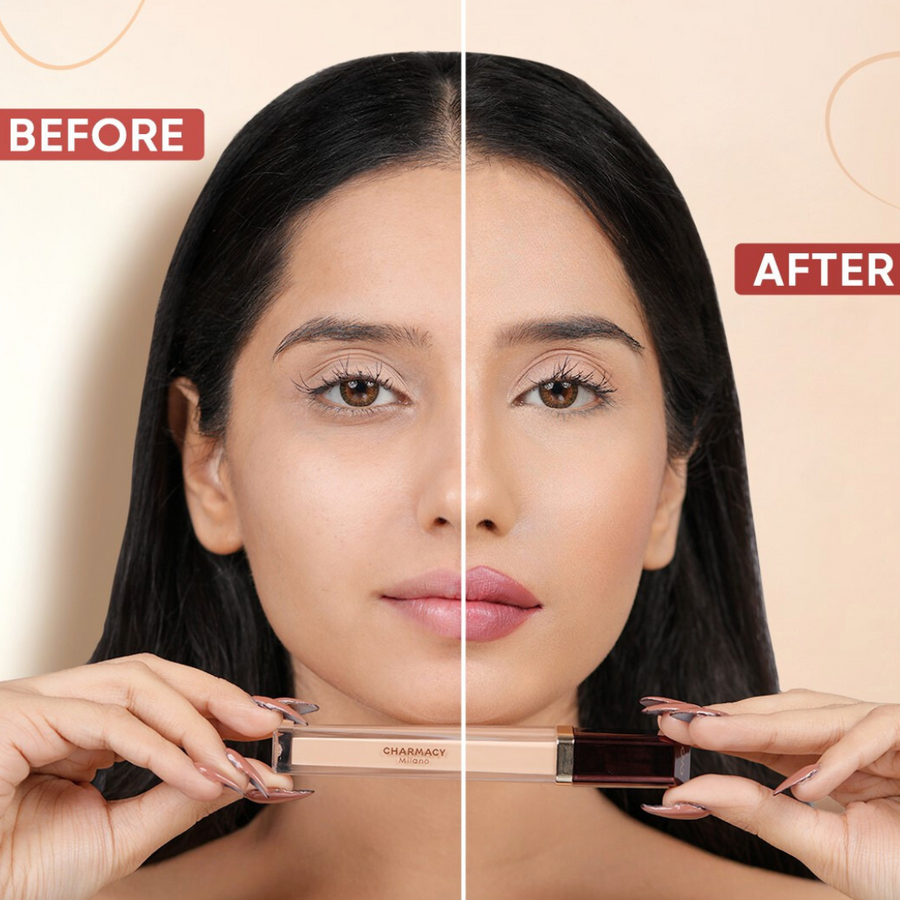
 Kiss Drip Lip Gloss
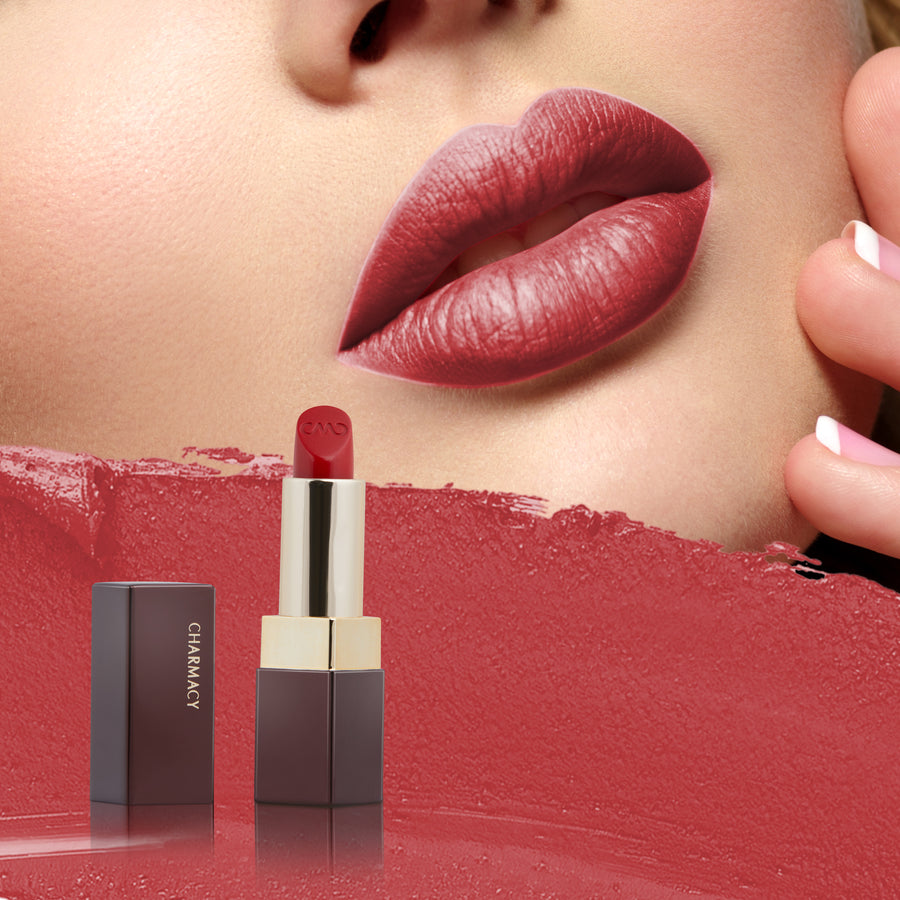
 Soft Satin Matte Lipstick
 Stunning Longstay Liquid Lip
 Flattering Nude Lipstick
 Luxe Creme Lipstick
 Lip Contour Lip Liner
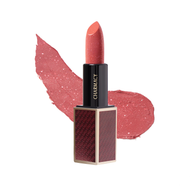 Diamond Rush
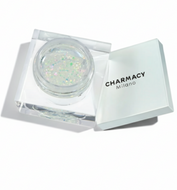 Magicolor Lip and Cheek Balm
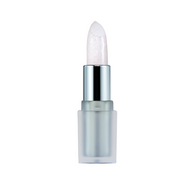 Magicolor Star Glow Lipstick
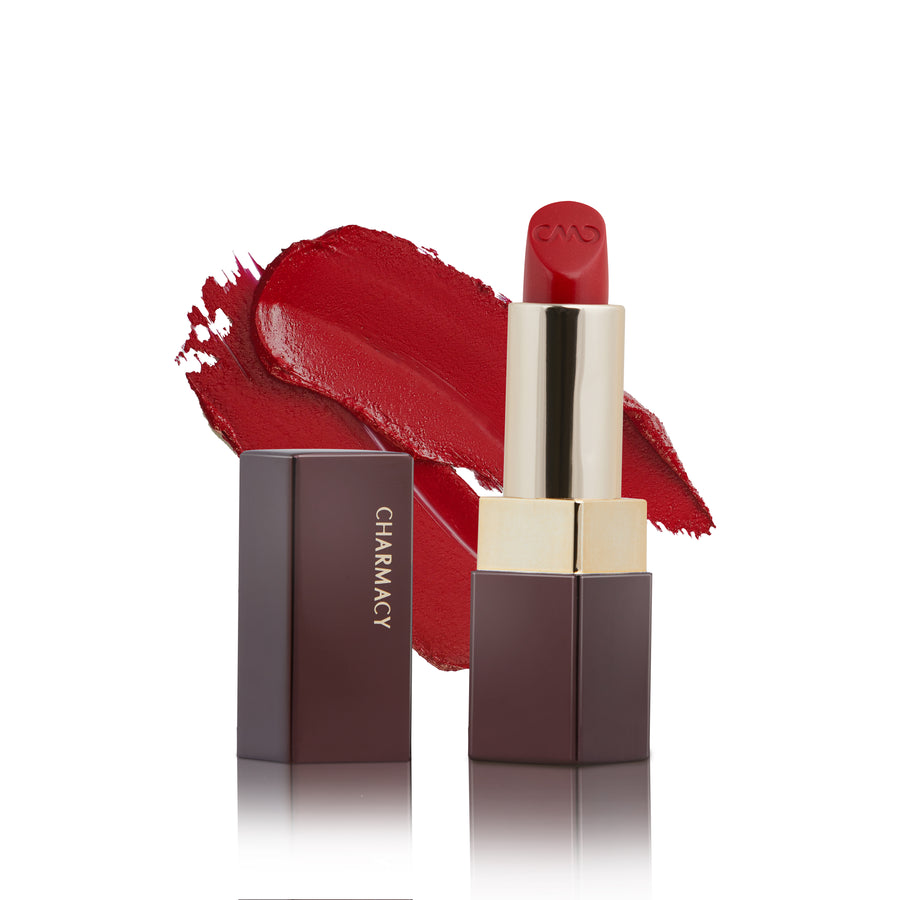
 Eye Liner
 Eyebrow
 Eye Shadow
 Mascara
 Insane Quad Palette


Why That Viral Makeup Look Doesn't Look the Same on You (And What Your Skin Tone Has to Do with It)

You bought the lipstick.
You saved the tutorial.
You followed every step exactly.
Yet somehow, the result looked completely different to you.
The nude lipstick that looked effortlessly chic on the influencer made you look washed out. The foundation everyone swore by appeared too orange on your skin. The blush that promised a natural glow looked overly dramatic instead.
Sound familiar?
If you've ever wondered why the same makeup looks different on different people, you're not imagining it.
The truth is, the problem usually isn't the makeup product itself. More often than not, it's a mismatch between the product and your unique skin tone and undertone.
Understanding these two factors can completely change the way you shop for makeup, helping you avoid costly mistakes and find shades that truly enhance your natural beauty.
The Beauty Industry's Biggest Myth
One of the biggest myths in beauty is that if a product looks amazing on someone else, it will automatically look amazing on you.
Social media has made this misconception even more common. We see influencers, celebrities, and beauty creators wearing a particular lipstick or foundation and assume the same shade will create the same effect on us.
But makeup doesn't work that way.
The appearance of any makeup product depends on several factors, including your skin tone, undertone, natural pigmentation, and even lighting conditions.
That's why the exact same lipstick can look rosy on one person, peachy on another, and completely different on someone else.
Before you blame the product, it's important to understand how your complexion affects every makeup shade you wear.
What Is Skin Tone and Why Does It Matter in Makeup?
Your skin tone refers to the natural color of your skin's surface.
Most people generally fall into one of the following categories:
- Fair
- Light
- Medium
- Tan
- Deep
While this may seem straightforward, your skin tone plays a major role in how makeup pigments appear once applied.
For example, a soft nude lipstick may look elegant and balanced on one skin tone but appear too light or ashy on another. Similarly, a foundation shade that blends seamlessly into one complexion may stand out noticeably on someone else.
This is why choosing makeup for your skin tone is one of the most important steps in building a flattering beauty routine.
Skin Tone vs Undertone: The Difference Most People Miss
Many people focus only on skin tone when shopping for makeup.
That's where mistakes happen.
While skin tone refers to the surface color of your skin, undertone refers to the subtle hue beneath the skin.
Unlike your skin tone, your undertone remains relatively constant throughout your life.
There are three primary undertones:
Warm Undertones
Warm undertones have yellow, golden, or peachy hues beneath the skin.
People with warm undertones often look best in:
- Coral lipsticks
- Terracotta shades
- Peach blushes
- Golden highlighters
Cool Undertones
Cool undertones have pink, red, or bluish hues beneath the skin.
These complexions are often complemented by:
- Berry lipsticks
- Rose-toned blushes
- Mauve shades
- Blue-based reds
Neutral Undertones
Neutral undertones combine both warm and cool characteristics, making them versatile across a wide range of makeup shades.
A Quick Way to Identify Your Undertone
Look at the veins on your wrist:
- Green veins usually indicate a warm undertone.
- Blue or purple veins suggest a cool undertone.
- A combination of both often points to a neutral undertone.
Understanding your undertone can instantly improve your foundation shade matching and overall makeup choices.
Why the Same Makeup Product Looks Different on Different People
Have you ever wondered why a foundation that looks flawless on your friend appears orange or grey on you?
There are several reasons.
Different Undertones Create Different Results
Two people may have similar skin tones but completely different undertones.
As a result, the same makeup shade can blend beautifully into one complexion while clashing with another.
Natural Pigmentation Affects Color Payoff
Your natural skin pigmentation influences how colors appear once applied.
A nude lipstick, for example, may look deeper, lighter, warmer, or cooler depending on the person's complexion.
Makeup Oxidation Can Change the Shade
Some foundations darken slightly after application due to oxidation.
This is why a foundation that initially seems perfect may appear darker after a few hours.
Lighting Changes Everything
Store lighting, ring lights, office lighting, and natural daylight can all affect how makeup colors appear.
Whenever possible, test foundation shades in natural light before making a purchase.
The 5 Makeup Mistakes That Make You Look Washed Out
Even expensive makeup can look unflattering if it doesn't complement your complexion.
Here are some of the most common makeup mistakes people make.
1. Choosing Foundation Based on Your Hand
The skin on your hands is often a different shade than your face.
Always test foundation along your jawline for the most accurate match.
2. Ignoring Undertones
A foundation can match your skin tone perfectly yet still look unnatural if the undertone is wrong.
3. Buying Makeup Solely Because It's Trending
A viral lipstick isn't guaranteed to work for every skin tone.
Trends should inspire you—not dictate your makeup choices.
4. Wearing Lipstick Shades That Clash With Your Complexion
Certain lipstick shades can overpower your features instead of enhancing them.
Choosing lipstick for your skin tone often makes a dramatic difference.
5. Testing Makeup Under Artificial Lighting
Many shade-matching mistakes happen because products are tested under store lighting rather than natural daylight.
How to Choose Makeup That Actually Suits Your Skin Tone
Finding makeup that complements your complexion doesn't have to be complicated.
Step 1: Identify Your Skin Tone
Determine whether your complexion falls into the fair, light, medium, tan, or deep category.
Step 2: Find Your Undertone
Use the wrist vein test or observe whether gold or silver jewelry looks better on your skin.
Step 3: Match Both Skin Tone and Undertone
The best makeup shades for skin tone are those that complement both factors simultaneously.
Step 4: Test in Natural Light
Natural daylight gives the most accurate representation of how makeup will look throughout the day.
Step 5: Build Your Signature Color Palette
Once you discover which shades flatter your complexion, shopping becomes easier and more enjoyable.
Your Best Makeup Isn't the Trendiest Makeup
The beauty industry often encourages us to chase trends.
But the most flattering makeup isn't necessarily what's trending on social media.
It's the makeup that complements your unique skin tone, undertone, and natural features.
When you understand your complexion, you stop wasting money on products that don't work and start building a beauty routine that feels effortless and authentic.
The goal isn't to look like an influencer.
The goal is to look like the best version of yourself.
Final Thoughts
If you've ever felt disappointed because a makeup product looked different on you than it did on someone else, you're not alone.
The reason often comes down to skin tone, undertone, pigmentation, and shade compatibility.
By understanding these factors and learning how to choose makeup for your skin tone, you can avoid common mistakes like wearing the wrong foundation shade, selecting unflattering lipstick colors, or following trends that don't suit your complexion.
Remember: makeup should enhance your natural beauty-not hide it.
Once you discover the shades that truly work for you, every product in your makeup bag starts performing better.