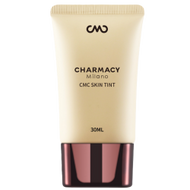
 Skin Tint
 Glow Drip
 Blush Drip
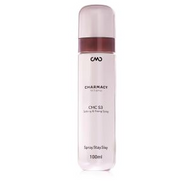 Setting and Fixing Spray
 Primer
 Matte Foundation
 Concealer
 HD Cover Compact Powder
 Setting Powder
 Star Dust
 Baked Illuminator
 Cheek Enhancer
 Hydrating Primer
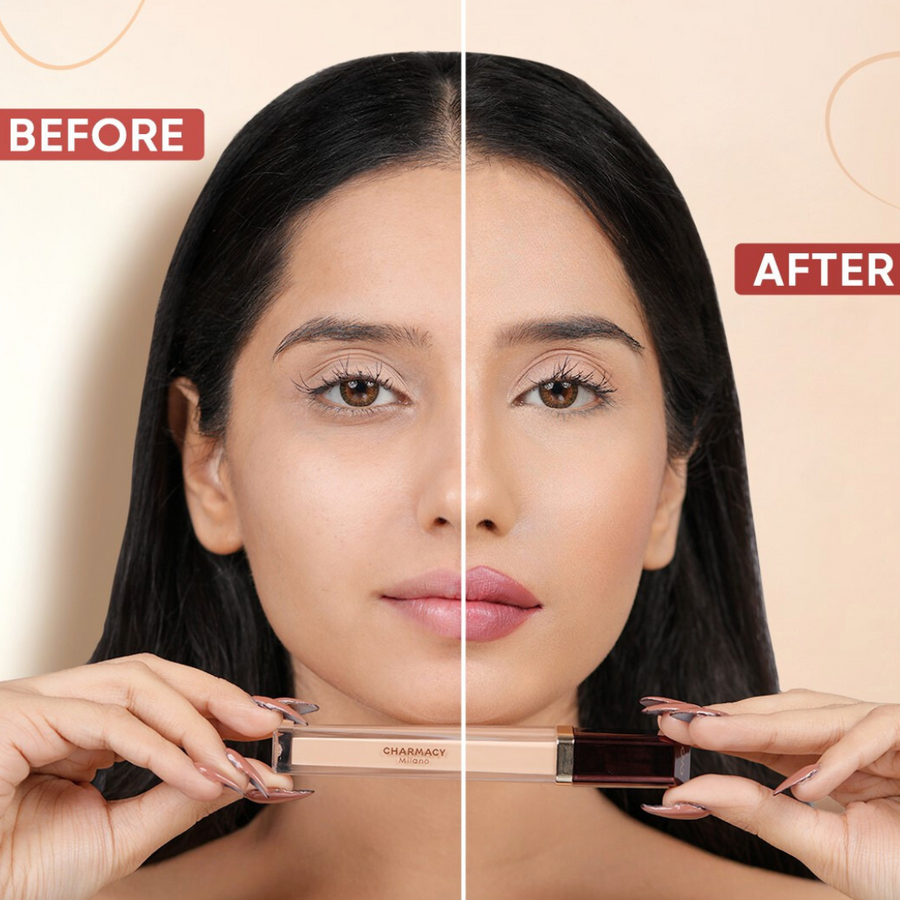
 Kiss Drip Lip Gloss
 Soft Satin Matte Lipstick
 Stunning Longstay Liquid Lip
 Flattering Nude Lipstick
 Luxe Creme Lipstick
 Lip Contour Lip Liner
 Diamond Rush
 Magicolor Lip and Cheek Balm
 Magicolor Star Glow Lipstick
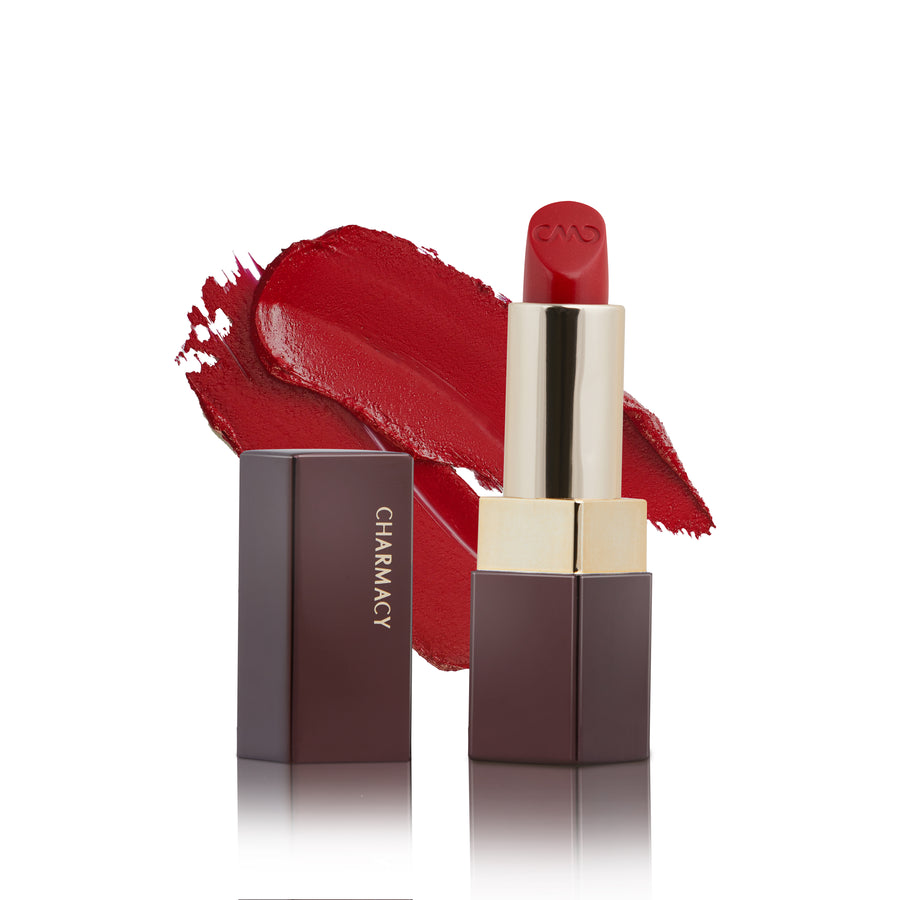
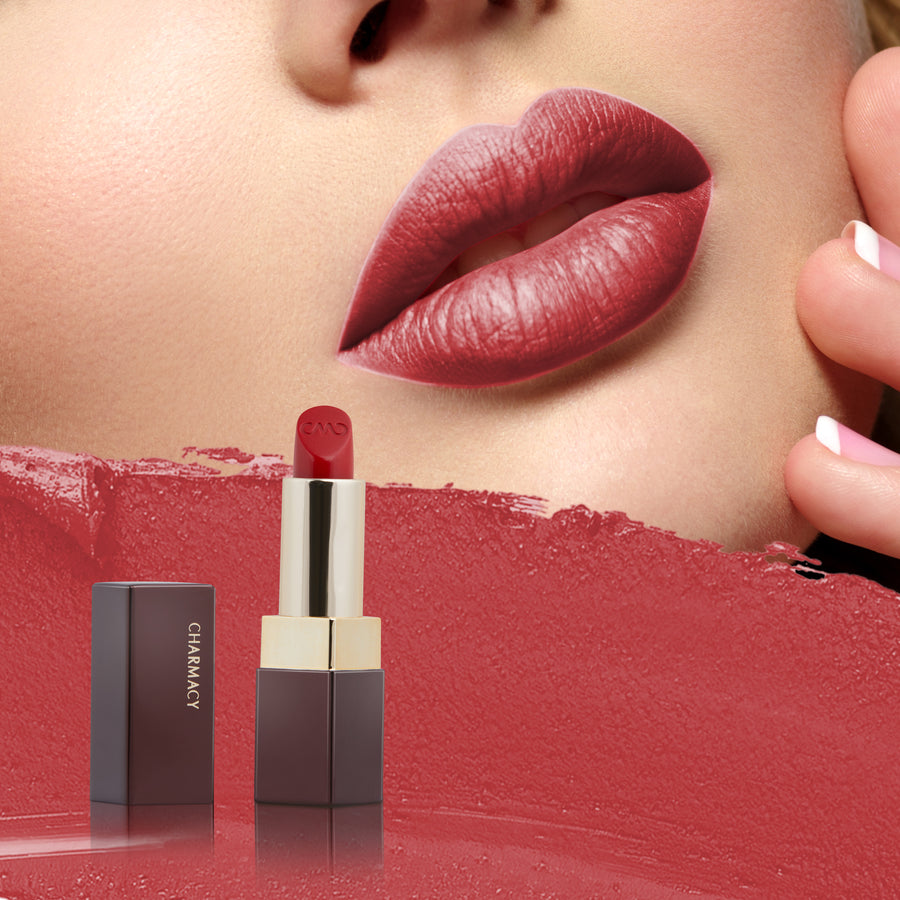
 Eye Liner
 Eyebrow
 Eye Shadow
 Mascara
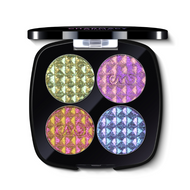 Insane Quad Palette


Difference Between Compact Powder & Loose Powder

If you're a makeup fan, you've probably heard of both compact and loose powder.
Confused between compact powder and loose powder? You’re not alone. While both help set makeup and control shine, they work very differently on the skin. Choosing the wrong one can leave your makeup cakey, patchy, or oily within hours. In this guide, we’ll break down compact powder vs loose powder, their benefits, skin type suitability, and how to choose the right one for your makeup routine.
What is Compact Powder?
Compact powder, also known as pressed powder, comes in a solid pressed form and is designed for easy application and quick touch-ups. It usually provides light to medium coverage while helping absorb excess oil and mattify the skin.
Compact powders are travel-friendly and work well for people who want quick makeup fixes throughout the day.
Benefits of Compact Powder
- Controls excess oil and shine
- Provides a smooth matte finish
- Convenient for touch-ups
- Offers additional coverage
- Easy to carry in handbags
Best For:
- Oily skin
- Combination skin
- Everyday makeup
- Office or college makeup looks
What is Loose Powder?
Loose powder is a finely milled powder used mainly to set liquid or cream makeup products. It gives a lightweight, soft-focus finish without adding heavy coverage.
Most makeup artists prefer setting powder for long-lasting makeup because it helps lock foundation and concealer in place while preventing creasing.
Benefits of Loose Powder
- Sets makeup for longer wear
- Gives a natural airbrushed finish
- Prevents makeup creasing
- Feels lightweight on skin
- Ideal for baking makeup
Best For:
- Dry skin
- Normal skin
- Bridal makeup
- HD makeup looks
- Long-duration wear
Compact Powder vs Loose Powder: Key Differences
|
Feature |
Compact Powder |
Loose Powder |
|
Texture |
Pressed |
Finely milled |
|
Coverage |
Medium to high |
Light to sheer |
|
Best For |
Touch-ups |
Setting makeup |
|
Skin Type |
Oily/Combination |
Dry/Normal |
|
Finish |
Matte |
Natural/Soft-focus |
|
Portability |
Travel-friendly |
Less convenient |
|
Application |
Sponge/Puff |
Brush/Puff |
Which Powder is Best for Oily Skin?
If you struggle with excess shine, compact powder for oily skin is usually the better choice. Compact powders absorb oil effectively and provide a matte finish that keeps the skin fresh for longer.
A good matte finish powder can also reduce the appearance of enlarged pores and help maintain an even complexion throughout the day.
Pro Tip:
Use compact powder mainly on the T-zone to avoid over-drying other areas of your face.
Which Powder is Better for Dry Skin?
People with dry skin generally benefit more from loose powder because it feels lighter and less cakey on dehydrated skin.
A finely milled translucent powder can help set makeup without emphasizing dry patches or fine lines.
Pro Tip:
Always moisturize your skin well before applying loose powder for a smooth finish.
When Should You Use Compact Powder?
Use compact powder when:
- You need quick touch-ups during the day
- You want light everyday coverage
- Your skin becomes oily easily
- You prefer minimal makeup
- You want a portable makeup product
Compact powders are ideal for people with busy lifestyles because they’re convenient and easy to apply anytime.
When Should You Use Loose Powder?
Use loose setting powder when:
- You want long-lasting makeup
- You’re attending weddings or events
- You need HD or camera-ready makeup
- You want to bake your makeup
- You prefer a lightweight finish
Loose powders are especially useful in humid weather because they help lock makeup in place for longer hours.
How to Apply Compact Powder Correctly
Step-by-Step Application
- Cleanse and moisturize your skin
- Apply foundation or BB cream if desired
- Use a sponge or puff to pick up the powder
- Dab gently across the face
- Focus on oily areas like the forehead and nose
Common Mistake to Avoid:
Applying too much compact powder can make makeup look heavy and cakey.
How to Apply Loose Powder Correctly
Step-by-Step Application
- Complete your liquid makeup base before learning how to apply loose powder correctly.
- Take a fluffy brush or makeup puff
- Pick a small amount of powder
- Dust lightly over the face
- Focus under the eyes and T-zone
For baking, let the powder sit for a few minutes before dusting off the excess.
Common Mistakes to Avoid
1. Using Too Much Powder
Overapplying powder can make your makeup look dry and unnatural.
2. Choosing the Wrong Shade
Using a powder shade that doesn’t match your skin tone can make the face appear dull or patchy.
3. Applying Powder on Dry Skin Without Moisturizer
Powder can cling to dry patches if the skin isn’t hydrated properly.
4. Using Compact Powder for Heavy Makeup Setting
Compact powder is better for touch-ups, while makeup setting powder works better for long-lasting makeup.
5. Over-Baking Makeup
Leaving loose powder on for too long can create a dry, cracked appearance.
Compact Powder or Loose Powder: Which One Should You Choose?
The answer depends on your skin type and makeup needs.
Choose compact powder if:
- You have oily skin
- You want quick touch-ups
- You need portable makeup
- You prefer extra coverage
Choose loose powder if:
- You want long-lasting makeup
- You have dry or normal skin
- You prefer a lightweight finish
- You love professional makeup looks
Many makeup lovers actually keep both products in their beauty kits for different purposes.
Recommended Products to Try
For a smooth matte everyday finish, the CMC HD Cover Compact Powder works beautifully for touch-ups and oil control.
If you prefer a lightweight makeup setting with a soft-focus effect, the CMC Set & Fix Loose Powder is a great option for achieving a flawless finish.
FAQs
Is compact powder better than loose powder?
Not necessarily. Compact powder is better for touch-ups and oil control, while loose powder is ideal for setting makeup and creating a smooth finish.
Can I use loose powder daily?
Yes, a lightweight loose setting powder can be used daily to control shine and improve makeup longevity.
Which powder is best for oily skin?
A matte compact powder is usually best for oily skin because it helps absorb excess oil throughout the day.
Does loose powder give full coverage?
No, most loose powders provide light to sheer coverage and are mainly used to set makeup.
Can I use compact powder without foundation?
Yes, compact powder can be worn alone for a natural everyday look.
Is loose powder good for dry skin?
Yes, finely milled translucent loose powder works well for dry skin when applied lightly over moisturized skin.
Final Thoughts
Understanding the difference between compact powder and loose powder can help you achieve better-looking makeup that lasts longer and feels more comfortable on the skin.
If you want convenience, oil control, and quick touch-ups, go for compact powder. If you prefer lightweight, long-lasting, and professional-looking makeup, loose powder is the better choice.
The best part? You don’t always have to choose one. Keeping both in your makeup kit allows you to create different looks for different occasions while ensuring your makeup stays flawless all day long.